
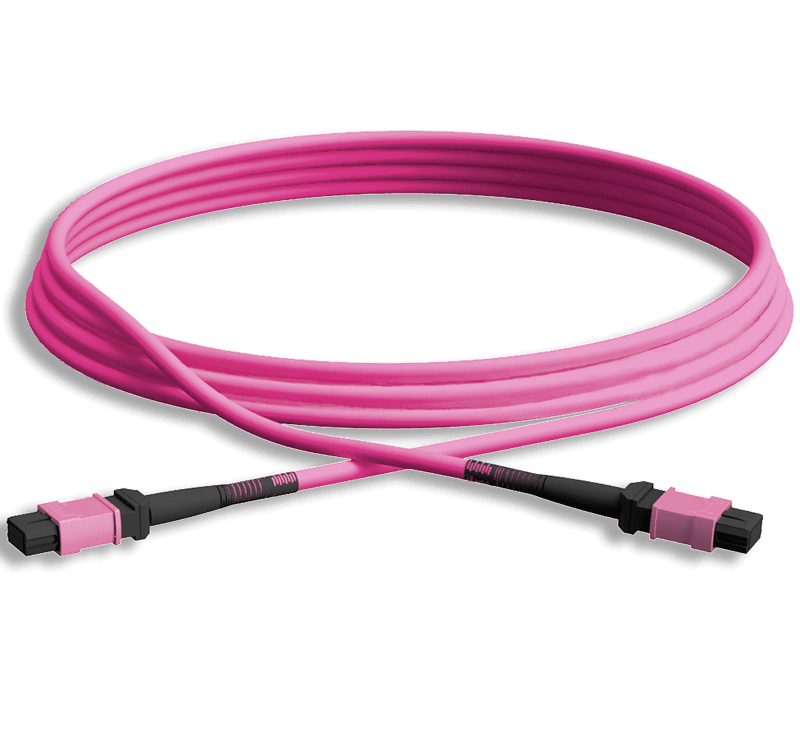
MPO to MPO Cable: High-Density Fiber Connectivity for Modern Networks
An MPO to MPO cable is a multi-fiber optical cable terminated with MPO (Multi-Fiber Push-On) connectors on both ends. Unlike traditional single-fiber connectors, MPO cables can accommodate 12, 16, 24, or even 32 fibers in a single connector, making them ideal for high-density data center environments.
Read more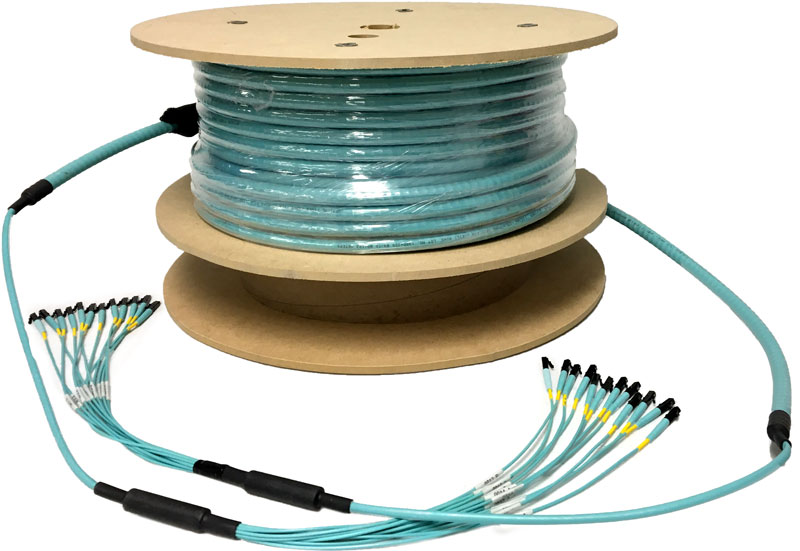
Fiber Trunk Cables and Leviton Fiber Enclosures: A Complete Guide for High-Performance Networks
As modern enterprises scale their data centers and communication networks, the demand for fiber optic trunk cables and reliable termination solutions has never been greater. High-density connectivity requires efficient routing, protection, and management of optical fibers. This is where fiber trunk cables, fiber optic trunk lines, and Leviton fiber enclosures play a critical role.
Read more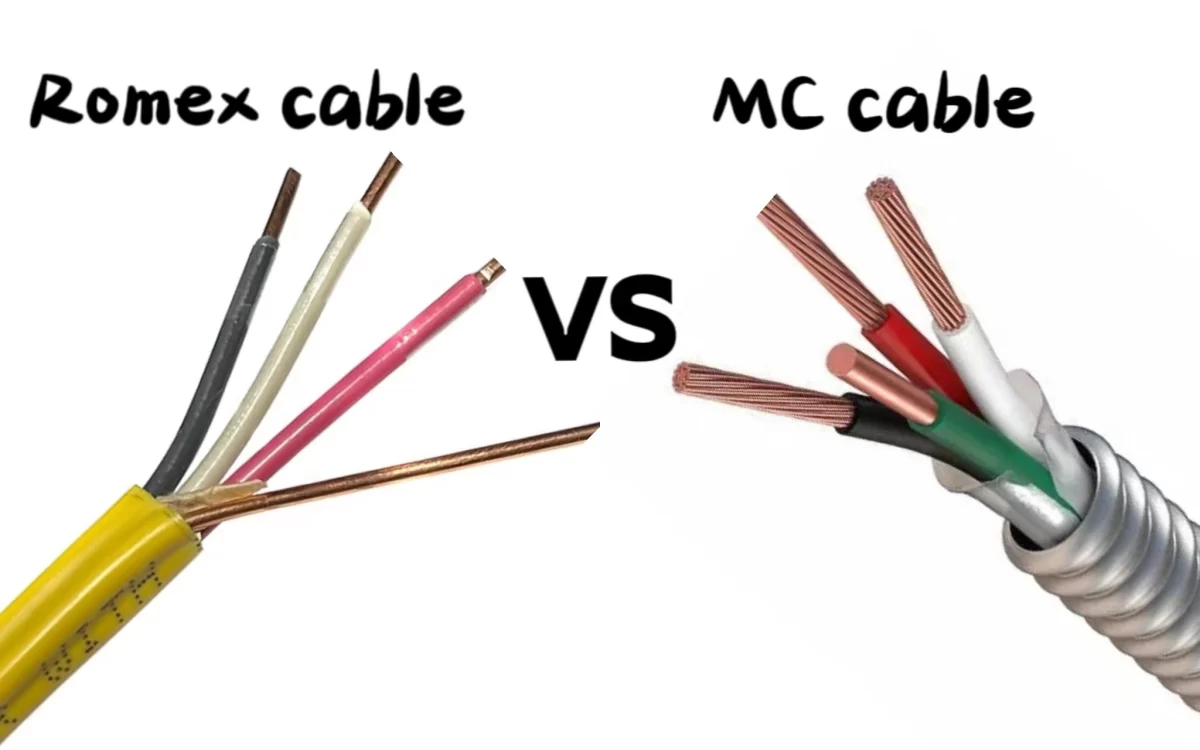
Romex vs. MC: Choosing the Best Cable for Your New Wiring Project
When you're choosing electrical cable for a modern wiring project, you'll typically be looking at two main types: Non-Metallic Sheathed Cable (Romex) and Metal-Clad Cable (MC cable). These are the modern-day alternatives to old BX cable, and each is suited for a different job.
Read more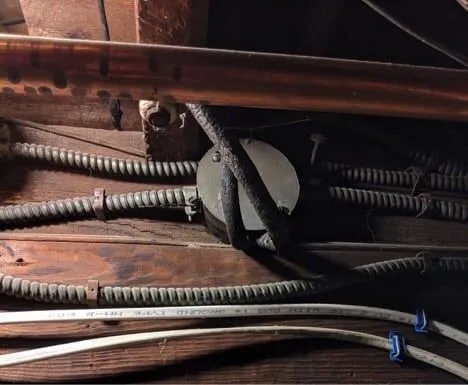
What is Old BX Cable? How to Identify and Safely Handle It
If you live in an older home, you might have discovered a unique type of electrical wire in a hidden corner: BX cable. This vintage armored cable is a common feature of old houses, but it comes with unique safety concerns. Learning how to identify and properly handle it is crucial for keeping your home safe.
Read more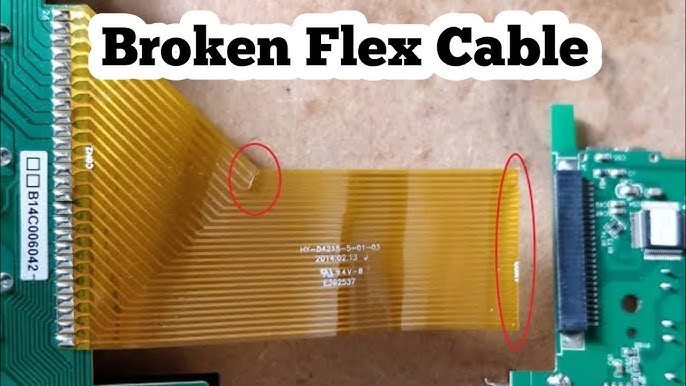
How to Repair or Replace an LCD Flex/Ribbon Cable
LCD screens in smartphones, laptops, and other electronics rely on flex cables or ribbon cables to connect the display to the mainboard. Over time, these delicate cables can get damaged due to bending, pressure, or mishandling.
Read more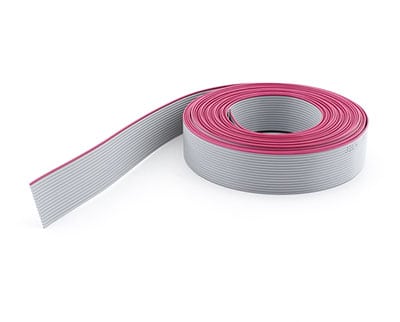
Flex Cable vs Ribbon Cable: What’s the Difference?
In electronics, both flex cables and ribbon cables are widely used for compact connections. At first glance, they look similar—flat, lightweight, and space-saving. But in reality, they are quite different in structure, flexibility, and applications.
Read more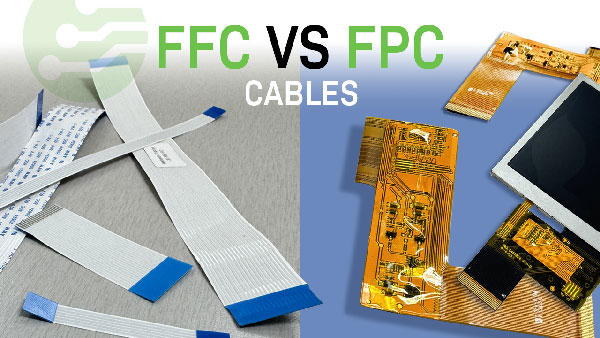
FFC vs FPC: What’s the Difference Between Flexible Flat Cables and Flexible Printed Circuits?
When working with modern electronic devices, you’ll often encounter flex cables—but not all flex cables are the same. The two most common types are FFC (Flexible Flat Cable) and FPC (Flexible Printed Circuit).
Read more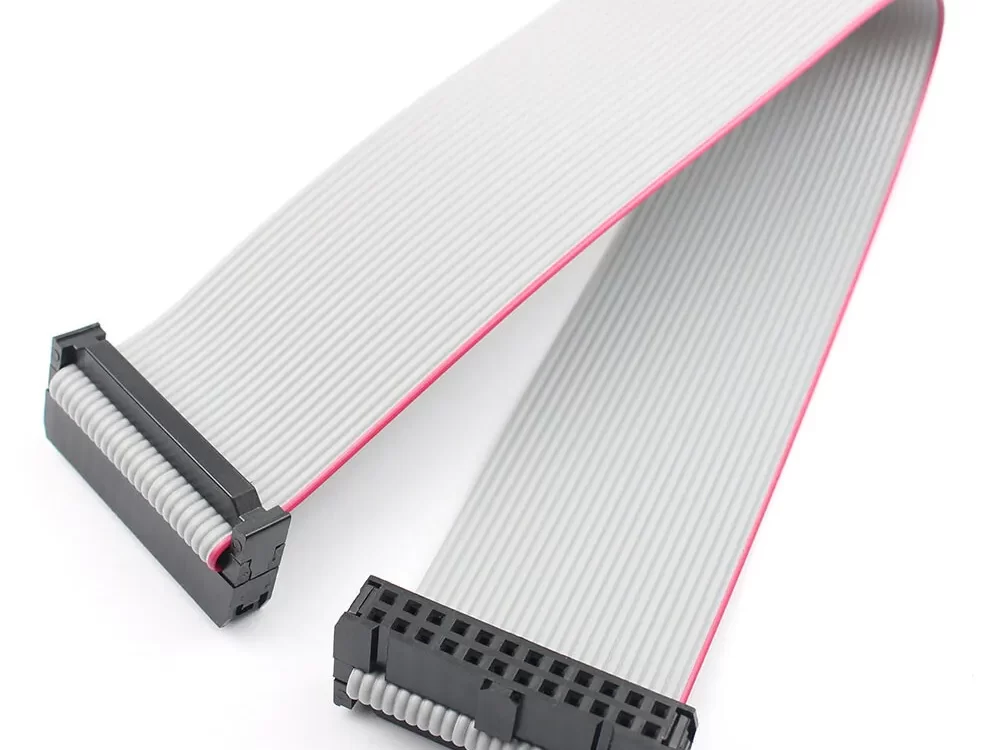
The Ultimate Guide to Flex Cables: FFC, FPC, and Ribbon Cable Explained
In this guide, we’ll break down everything you need to know about flex cables, including flexible flat cables (FFC), flexible printed circuits (FPC), how they compare to ribbon cables, and the role of connectors in ensuring reliable performance.
Read more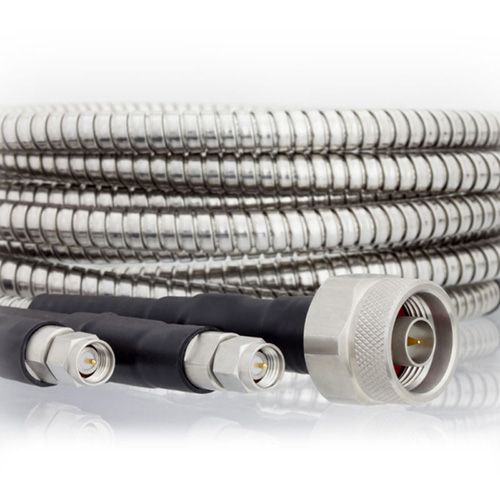
Flexible Armoured Cable: Definition, Structure, and Applications
A flexible armoured cable is a type of electrical cable that combines mechanical protection with flexibility, making it ideal for installations where both durability and bending performance are required. Unlike standard armoured cables, flexible versions can withstand repeated movement, vibrations, and tight bending radii without compromising safety.
Read more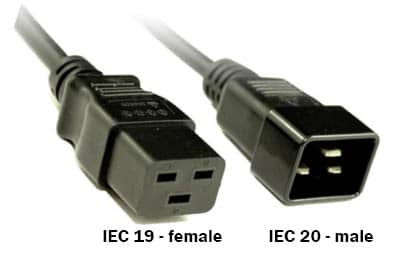
C19 vs C20: High-Power IEC Connectors Explained
When dealing with servers, UPS systems, and power distribution units (PDUs), regular C13/C14 power cords are not enough. Instead, you’ll often encounter C19 and C20 IEC connectors — designed for high-power applications.
Read more- Low Voltage Cables – LV
- Medium Voltage Cables – MV
- High Voltage Cables-HV
- Steel Wire Armored Cable (SWA Cable)
- XLPE Insulated Power Cables
- Mineral Insulated Cable (MICC/MI Cable)
- TPS Cable
- Control Cable
- Instrumentation Cable
- Coaxial Cable
- VFD Cable
- Computer Cable
- Electrical Wire
- MC Cable
- NM-B (Non-Metallic Sheathed) Copper Wire
- UF-B Underground Feeder Cable
- MTW Wire
- Prefabricated branch cables
- 4/0 Type W Cable
- Trunk Trailer ABS Cable
- SO Cable
- LSZH Cable
- Copper Ground Rods
- Copper Clad Steel Antenna Wire
- High Temperature Wire
- EV Automotive High Voltage Silicone Rubber Cable
- Submersible Pump Wire
- Floating cable
- LC to LC Fiber Patch Cables
- Flexible Cable
- Drag Chain Cables
- Silicone Rubber Low Temperature Resistant Cable
- All-Aluminum Conductors for Overhead Power Lines
- Aerial Bundled Cable (ABC Cable)
- Aerial Insulation Line (AIL)
- Bare Stranded Conductors
- Wind Farm Cables
- Overhead Service Drop Cable
- Concentric Service Cable
- Telephone Drop Cable
- Solar PV Cable
Recent Posts


