
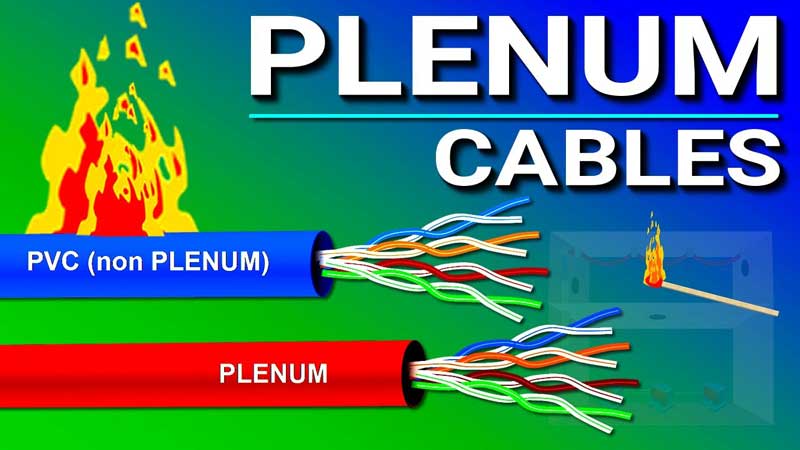
Plenum vs Non-Plenum Cable: What’s the Difference and Which One Do You Need?
In this guide, we’ll break down everything you need to know about plenum vs non-plenum cables, including fire safety, applications, materials, building code requirements, and how to choose the right type for your project.
Read more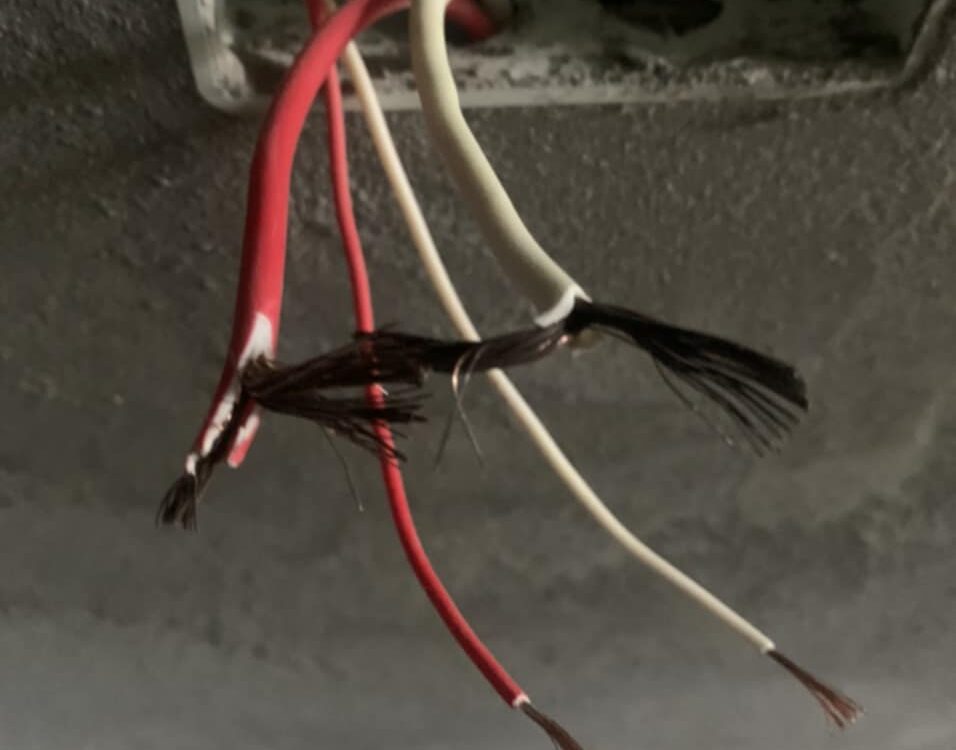
Why Does New Copper Wire Turn Black in Just 3 Months? A Deep Dive into Causes, Quality Issues, and Safety Risks
This article takes you through the causes, implications, and prevention strategies for copper conductor blackening, covering chemical, material, process, and environmental perspectives.
Read more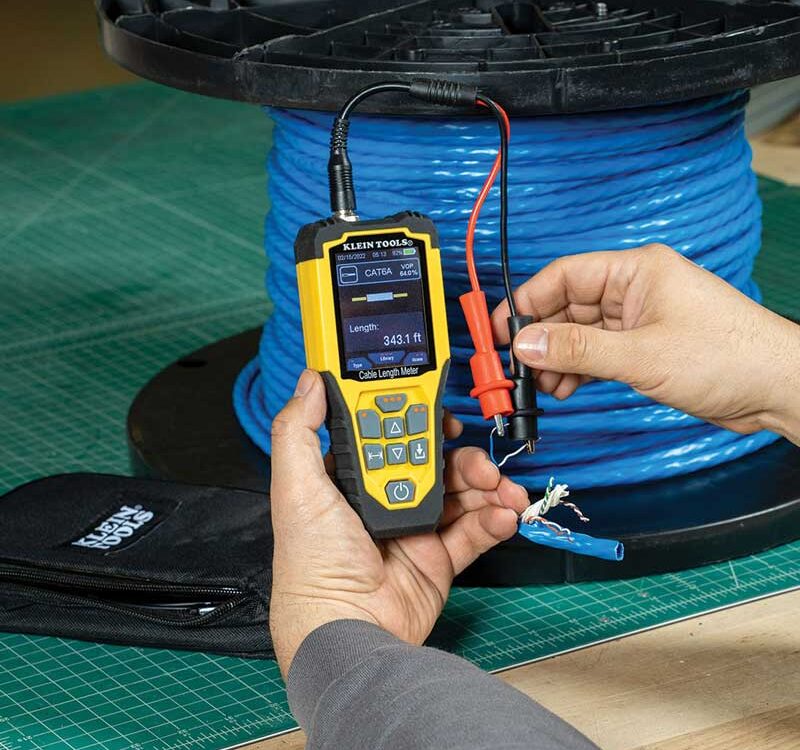
The Ultimate Guide to Cable Length Measurement: From Manual Tools to Professional Devices
This comprehensive guide explores everything you need to know about cable length measurement—from basic manual techniques to advanced digital cable length meters. Whether you're a technician, contractor, or inventory manager, this guide will help you choose the right cable measuring device for your needs.
Read more
Instrument Cable vs. Speaker Cable: The Critical Differences Every Musician Must Know
If you've ever set up a guitar amp or PA system, chances are you've wondered whether instrument cables and speaker cables are interchangeable. They often look similar, typically using the same 1/4-inch connectors. But using the wrong cable type can damage your gear and compromise sound quality. This guide will help you understand the differences between instrument cables and speaker cables—and why using the right one is crucial.
Read more
Plenum Cable vs. Riser Cable: Which One Do You Need?
Choosing the wrong type can lead to failed inspections, fire code violations, or worse—serious safety risks. This guide will walk you through the key differences between plenum-rated (CMP) and riser-rated (CMR) cables, and help you determine which one is required for your project.
Read more
What Is Plenum Cable? The Ultimate Guide to Plenum vs. Riser vs. Non-Plenum Cables
When it comes to structured cabling in commercial buildings, hospitals, schools, or data centers, safety is not optional—it’s required by code. That’s where plenum cable comes into play. Whether you're an installer, facilities manager, or just curious about your building’s infrastructure, understanding the difference between plenum, riser, and non-plenum cables is crucial for making compliant and safe wiring decisions.
Read more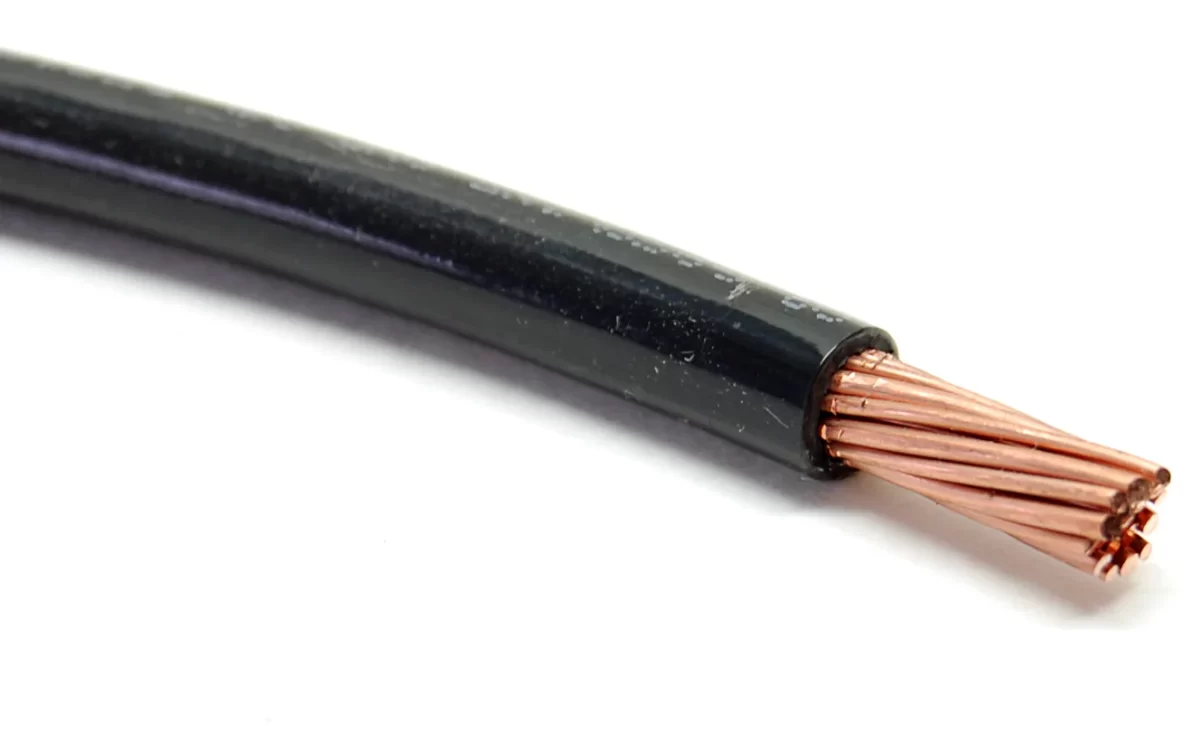
Mastering 6 AWG Stranded Wire: Ampacity, Applications, and Installation
Known for its high ampacity, durability, and flexibility, 6 AWG THHN stranded copper wire is a trusted solution when 12 or 10 gauge wire just won’t cut it. In this guide, we’ll break down the specs, usage scenarios, and proper handling techniques to help you master this powerful conductor.
Read more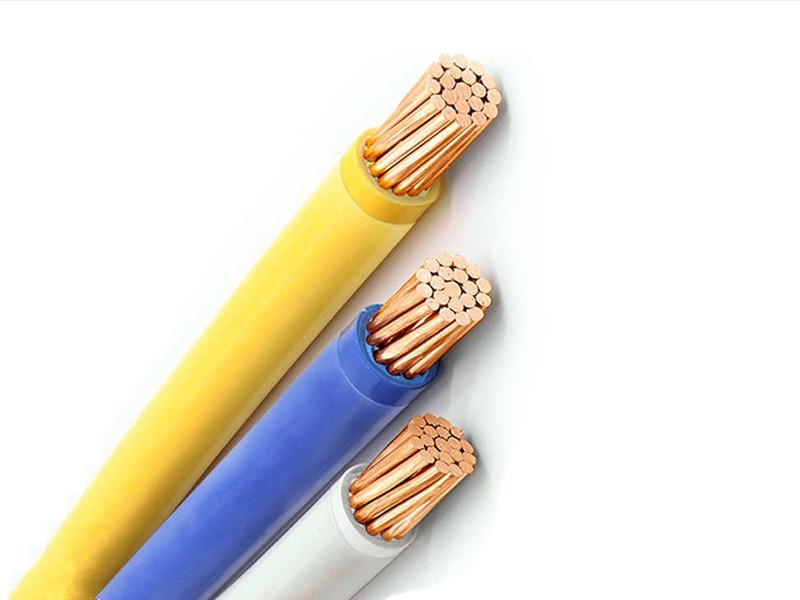
THHN/THWN Wire: A Comprehensive Guide to Building Wire and Its Applications
When electricians and contractors talk about building wire, chances are they’re referring to THHN or THWN. These versatile, heat-resistant, and durable conductors are used across residential, commercial, and industrial installations. Whether you're running wire through conduit, feeding a subpanel, or wiring a kitchen circuit, THHN/THWN wire is a go-to solution.
Read more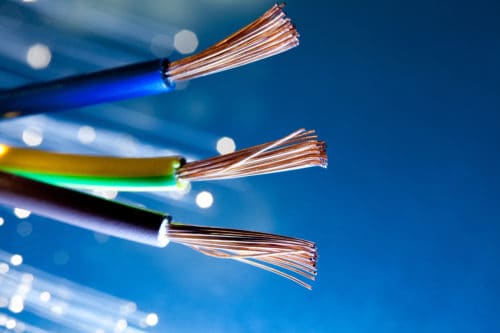
Can you use stranded wire in a house?
Stranded wire is allowed by electrical code in residential wiring in certain scenarios, but it’s not commonly used for permanent in-wall wiring. Most residential wiring uses solid wire because it’s easier to terminate, more cost-effective, and preferred for fixed installations.
Read more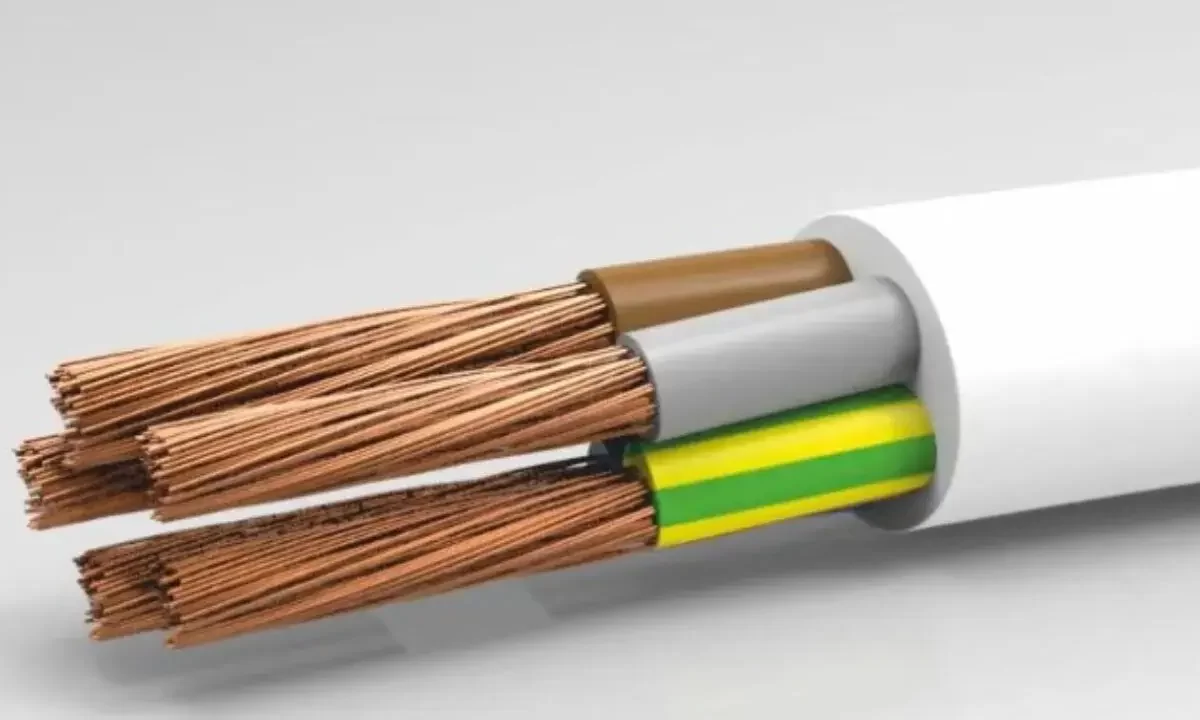
What is Stranded Wire? The Definitive Guide to a Flexible Conductor
Imagine a rope made from dozens of tiny threads twisted together. That’s essentially what stranded wire is: a single electrical conductor composed of multiple thin wires twisted or braided together to act as one.
Read more- Low Voltage Cables – LV
- Medium Voltage Cables – MV
- High Voltage Cables-HV
- Steel Wire Armored Cable (SWA Cable)
- XLPE Insulated Power Cables
- Mineral Insulated Cable (MICC/MI Cable)
- TPS Cable
- Control Cable
- Instrumentation Cable
- Coaxial Cable
- VFD Cable
- Computer Cable
- Electrical Wire
- MC Cable
- NM-B (Non-Metallic Sheathed) Copper Wire
- UF-B Underground Feeder Cable
- MTW Wire
- Prefabricated branch cables
- 4/0 Type W Cable
- Trunk Trailer ABS Cable
- SO Cable
- LSZH Cable
- Copper Ground Rods
- Copper Clad Steel Antenna Wire
- High Temperature Wire
- EV Automotive High Voltage Silicone Rubber Cable
- Submersible Pump Wire
- Floating cable
- LC to LC Fiber Patch Cables
- Flexible Cable
- Drag Chain Cables
- Silicone Rubber Low Temperature Resistant Cable
- All-Aluminum Conductors for Overhead Power Lines
- Aerial Bundled Cable (ABC Cable)
- Aerial Insulation Line (AIL)
- Bare Stranded Conductors
- Wind Farm Cables
- Overhead Service Drop Cable
- Concentric Service Cable
- Telephone Drop Cable
- Solar PV Cable
Recent Posts


