
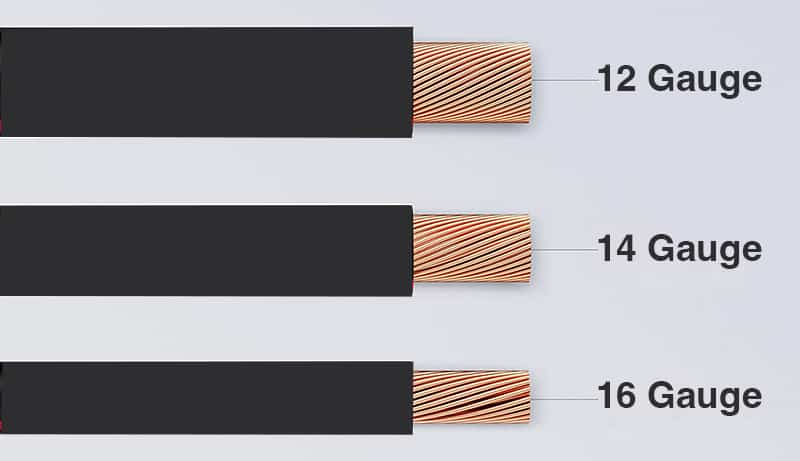
12 vs. 14 Gauge Speaker Wire: The Audiophile’s Guide to Sound Quality and Performance
When it comes to home audio, every detail matters — including the speaker wire you use. If you're comparing 12 vs. 14 gauge speaker wire, you're likely aiming to optimize sound quality, reduce signal loss, and make the most of your audio investment.
Read more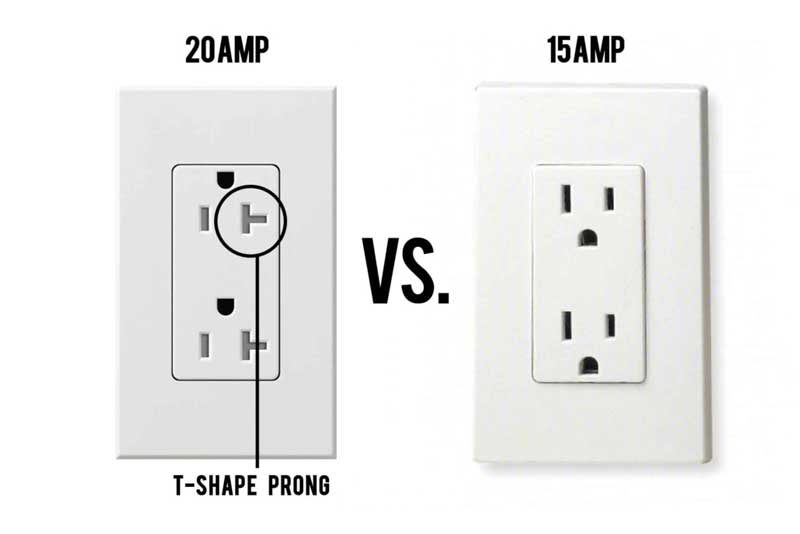
12 vs. 14 Gauge Wire: The Ultimate Guide for Choosing the Right Wire for Your Home Outlets, Lights, and Circuits
This guide provides a practical, easy-to-understand breakdown of 12 vs. 14 gauge wire, answering the most common questions and helping you make the right choice for outlets, lighting circuits, and more.
Read more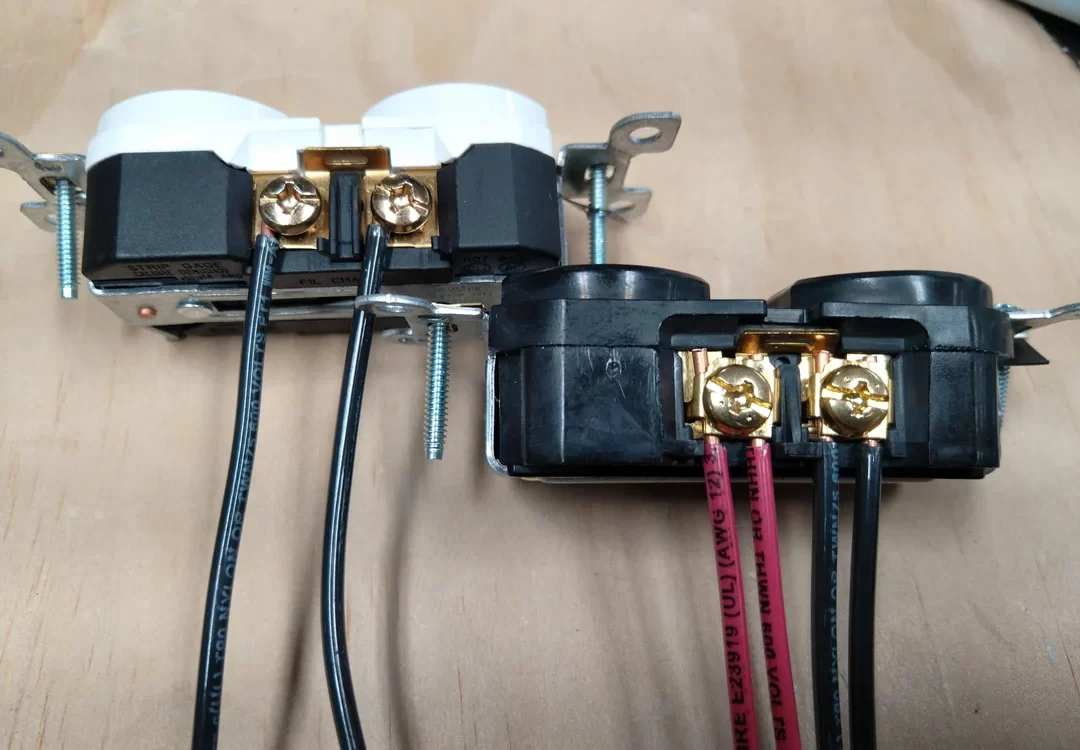
Can You Use Stranded Wire for Outlets? A Complete Guide for Safe Wiring
The short answer is yes, but there are key conditions, code requirements, and installation techniques you need to follow. In this article, we’ll break down everything you need to know about using stranded wire for outlets — including when it's safe, how to terminate it properly, and the best practices for long-lasting, code-compliant installations.
Read more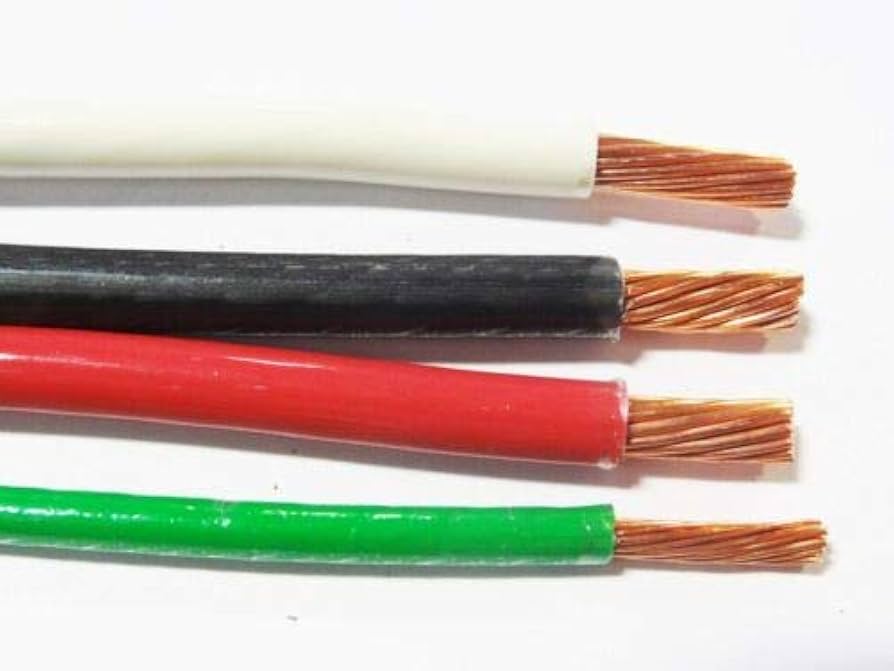
The Indispensable 8 Gauge Stranded Wire: Mid-Range Power and Flexibility
Bridging the gap between heavy-duty applications (like 6 AWG) and common household circuits (like 10 AWG), 8 gauge (AWG) stranded wire is a crucial conductor known for its robust current capacity and excellent flexibility. Its multi-strand construction is key to its versatility, allowing it to be used in various demanding applications where solid wire would be impractical. This guide will explore the specific attributes, typical ampacity, widespread applications, and critical installation considerations for 8 AWG stranded wire. For a foundational understanding of why stranded wire is chosen over solid, you can refer to our Stranded vs. Solid Wire: Your Ultimate Guide to Choosing the Perfect Electrical Conductor.
Read more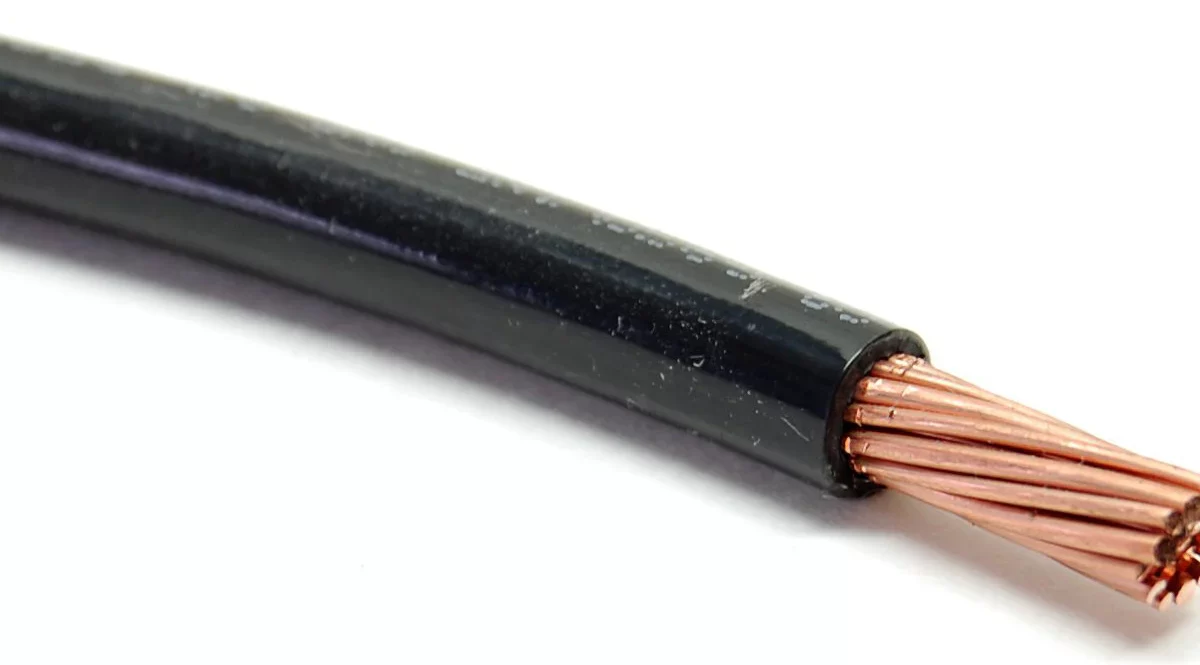
The Mighty 6 Gauge Stranded Wire: High Current, High Flexibility Power Transmission
When your project demands significant current capacity and the flexibility to navigate complex pathways or withstand vibration, 6 gauge (AWG) stranded wire is a go-to heavy-duty conductor. Far thicker and more robust than common household wiring, its multi-strand construction is essential for its handling and performance. This guide will provide an in-depth look at the characteristics, typical ampacity, indispensable applications, and critical installation considerations for 6 AWG stranded wire. For foundational knowledge on why stranded wire is preferred for flexibility, refer to our Stranded vs. Solid Wire: Your Ultimate Guide to Choosing the Perfect Electrical Conductor.
Read more
The Agile 18 Gauge Stranded Wire: Control, Signal, and Everyday Electronics
When flexibility and space-saving are paramount for lower-current applications, 18 gauge (AWG) stranded wire often steps into the spotlight. Thinner than the common 14 AWG, it's a popular choice for everything from speaker connections to low-voltage lighting and intricate electronic circuits. This guide will explore the specific attributes, typical ampacity, widespread applications, and essential installation considerations for 18 AWG stranded wire. For a foundational understanding of the benefits of stranded over solid wire, you can refer to our Stranded vs. Solid Wire: Your Ultimate Guide to Choosing the Perfect Electrical Conductor.
Read more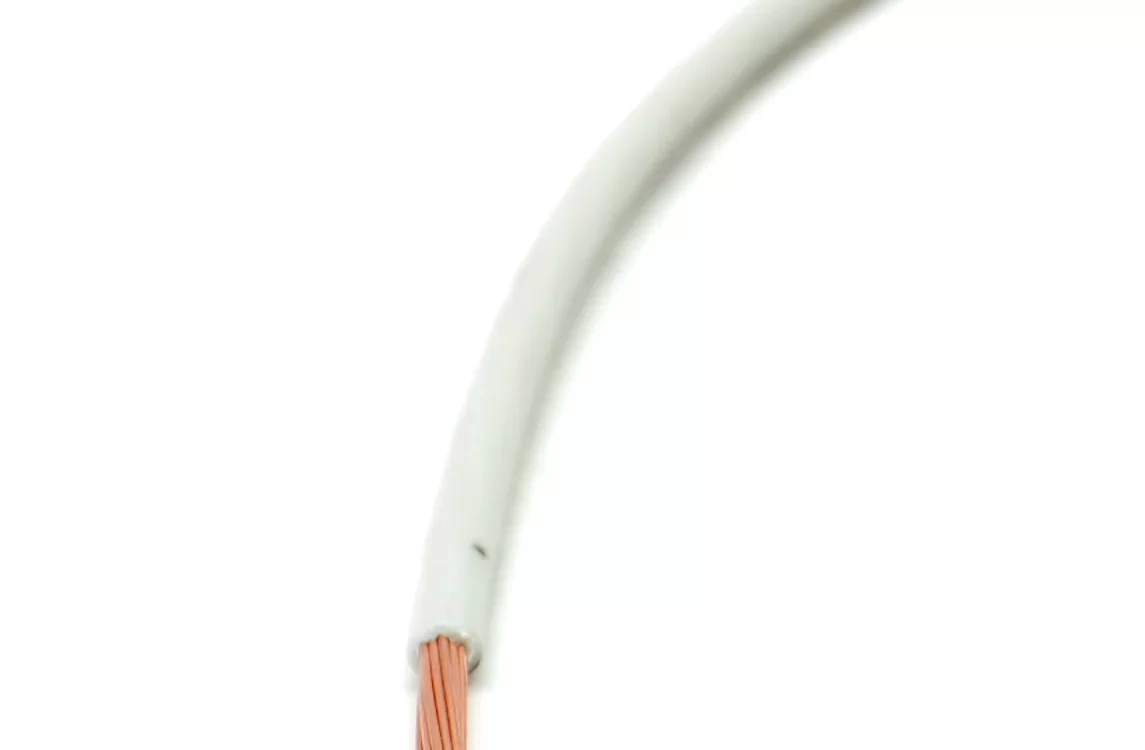
The Workhorse 14 Gauge Stranded Wire: Lighting, Signals, and Everyday Flexibility
14 gauge (AWG) stranded wire is a true staple in electrical work, offering a valuable blend of current capacity for common circuits and exceptional flexibility. Thinner than 12 AWG, it's particularly well-suited for standard lighting circuits, low-voltage applications, and anywhere a manageable yet robust flexible conductor is needed. This guide will illuminate the specific characteristics, typical ampacity, common applications, and essential installation tips for 14 AWG stranded wire. To revisit the fundamental advantages of stranded wire over solid, explore our Stranded vs. Solid Wire: Your Ultimate Guide to Choosing the Perfect Electrical Conductor.
Read more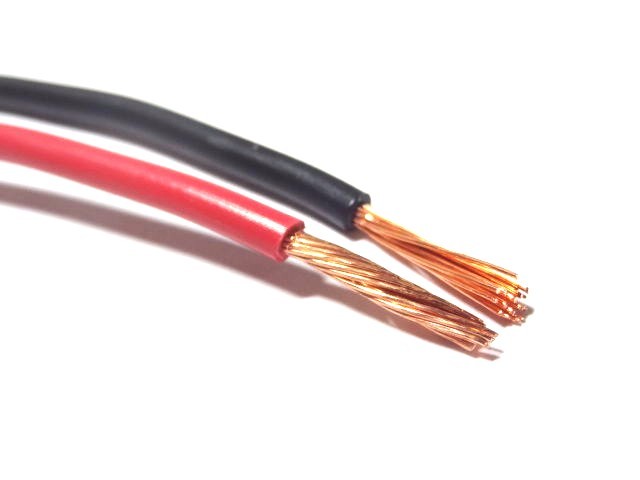
The Versatile 12 Gauge Stranded Wire: Your Guide to Common Circuits and Beyond
In the world of electrical wiring, 12 gauge (AWG) stranded wire holds a sweet spot, balancing robust current capacity with the crucial flexibility needed for many applications. It's thinner than 10 AWG but thicker than 14 AWG, making it a go-to choice for a variety of 20-amp circuits and more. This guide will delve into the specific properties, typical ampacity, widespread applications, and essential installation considerations for 12 AWG stranded wire. For a broader understanding of the benefits of stranded over solid wire, refer to our Stranded vs. Solid Wire: Your Ultimate Guide to Choosing the Perfect Electrical Conductor.
Read more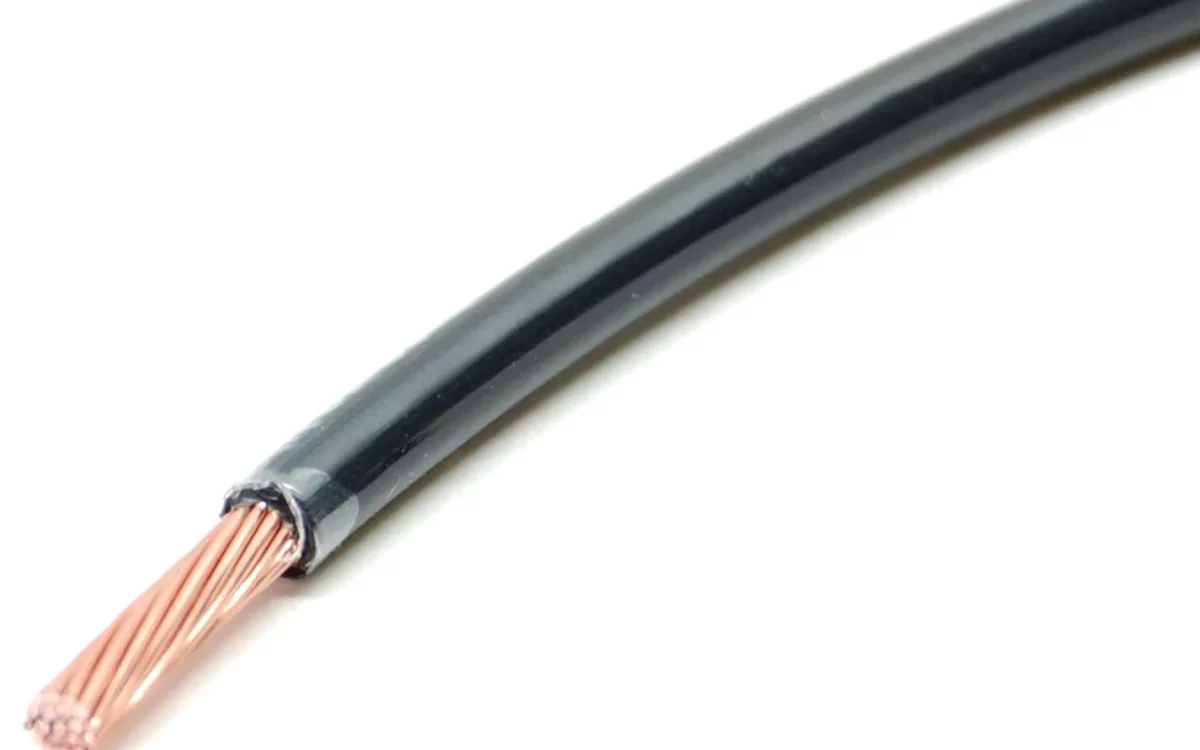
Mastering 10 Gauge Stranded Wire: Applications, Ampacity, and Installation Best Practices
When your electrical project demands both high current capacity and excellent flexibility, 10 gauge (AWG) stranded wire often emerges as the ideal solution. While it's a relatively thick conductor, its multi-strand construction sets it apart from solid wire, offering crucial advantages where movement or vibration are present. This guide will explore the unique characteristics, typical ampacity, indispensable applications, and key considerations for working safely and effectively with 10 AWG stranded wire. For a foundational understanding of why stranded wire is chosen over solid, you can refer to our Stranded vs. Solid Wire: Your Ultimate Guide to Choosing the Perfect Electrical Conductor.
Read more
Essential Wire Termination Techniques for Every Project
Wire termination may seem like a small detail in an electrical project, but it's one of the most critical factors for safety, performance, and code compliance. Poorly terminated wires can cause overheating, loose connections, short circuits, or even fires. Whether you're a professional electrician or a DIY enthusiast, understanding essential wire termination techniques is key to a successful and durable installation.
Read more- Low Voltage Cables – LV
- Medium Voltage Cables – MV
- High Voltage Cables-HV
- Steel Wire Armored Cable (SWA Cable)
- XLPE Insulated Power Cables
- Mineral Insulated Cable (MICC/MI Cable)
- TPS Cable
- Control Cable
- Instrumentation Cable
- Coaxial Cable
- VFD Cable
- Computer Cable
- Electrical Wire
- MC Cable
- NM-B (Non-Metallic Sheathed) Copper Wire
- UF-B Underground Feeder Cable
- MTW Wire
- Prefabricated branch cables
- 4/0 Type W Cable
- Trunk Trailer ABS Cable
- SO Cable
- LSZH Cable
- Copper Ground Rods
- Copper Clad Steel Antenna Wire
- High Temperature Wire
- EV Automotive High Voltage Silicone Rubber Cable
- Submersible Pump Wire
- Floating cable
- LC to LC Fiber Patch Cables
- Flexible Cable
- Drag Chain Cables
- Silicone Rubber Low Temperature Resistant Cable
- All-Aluminum Conductors for Overhead Power Lines
- Aerial Bundled Cable (ABC Cable)
- Aerial Insulation Line (AIL)
- Bare Stranded Conductors
- Wind Farm Cables
- Overhead Service Drop Cable
- Concentric Service Cable
- Telephone Drop Cable
- Solar PV Cable
Recent Posts


