
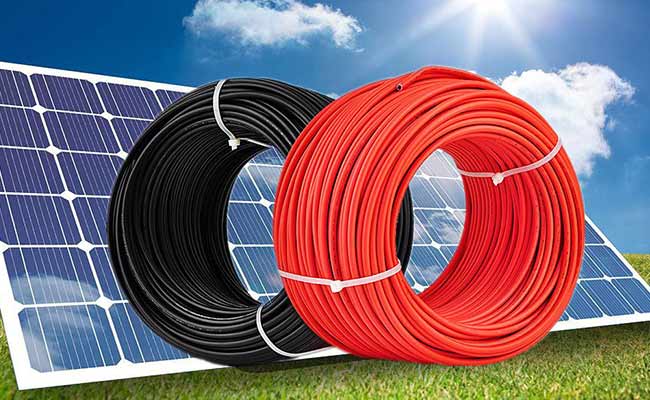
How to Choose Solar Photovoltaic Cable: Complete Guide
When installing a solar power system, choosing the right solar photovoltaic (PV) cable is crucial for safety, efficiency, and system longevity. Using the wrong cable size or type can cause voltage drops, overheating, and even fire hazards. In this guide, we’ll explain everything you need to know: from cable types to sizing, standards, and best practices.
Read more
Direct Burial Telephone Cable: Everything You Need to Know
When installing a telephone line outdoors or underground, you need a cable that can withstand moisture, soil contact, and harsh weather conditions. This is where direct burial telephone cable comes in. Using the right cable ensures clear voice signals, long-lasting performance, and safety compliance.
Read more
Direct Burial Speaker Cable: The Ultimate Guide for Outdoor Audio Installations
If you’re setting up an outdoor speaker system—for your backyard, patio, or commercial space—you need a cable that can handle harsh weather conditions, moisture, and underground installation. That’s where direct burial speaker cable comes in.
Read more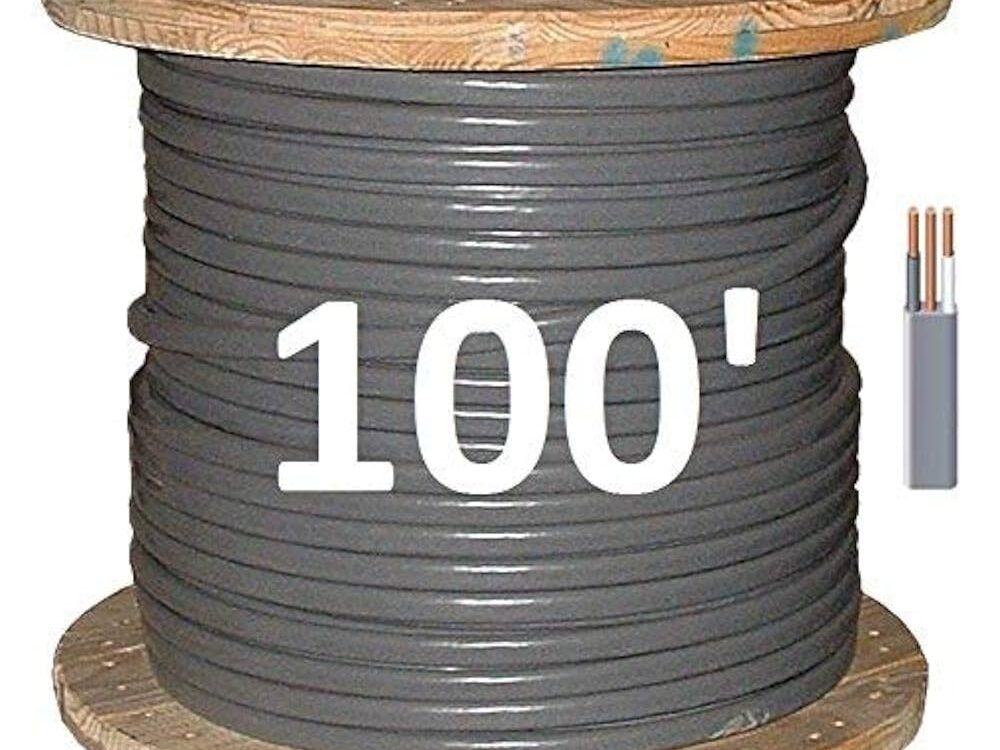
UF Cable for Direct Burial: Everything You Need to Know
When running electrical wiring outdoors or underground, choosing the right cable type is critical for safety, performance, and code compliance. One of the most popular solutions is UF cable, also known as Underground Feeder cable. This article explains what UF cable is, why it’s ideal for direct burial, installation requirements, and best practices.
Read more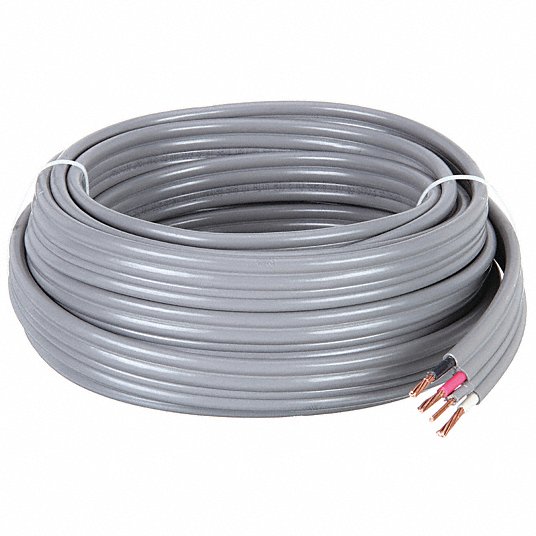
What Is Romex Direct Burial Cable?
First, let’s clear up a common confusion: Romex (NM or NM-B cable) is a type of non-metallic sheathed electrical cable used indoors for residential wiring. It is not designed for direct burial or outdoor use. Standard Romex has a PVC jacket, which is not waterproof and cannot withstand moisture or soil conditions. If you need a cable for underground installations, you’ll need a cable rated for direct burial, such as UF-B cable or USE cable. These cables are manufactured to meet NEC (National Electrical Code) requirements for underground use.
Read more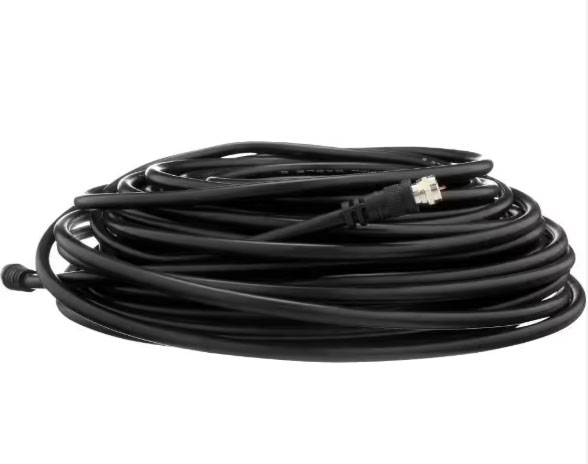
What Is Direct Burial Coaxial Cable?
A direct burial coaxial cable is a specially designed coax cable that can be buried underground without requiring additional conduit. It’s primarily used for satellite TV, cable TV, internet connections, and CCTV systems in outdoor environments. Unlike standard indoor coax cables, direct burial coax features enhanced protection against moisture, soil chemicals, and physical damage to ensure long-lasting performance underground.
Read more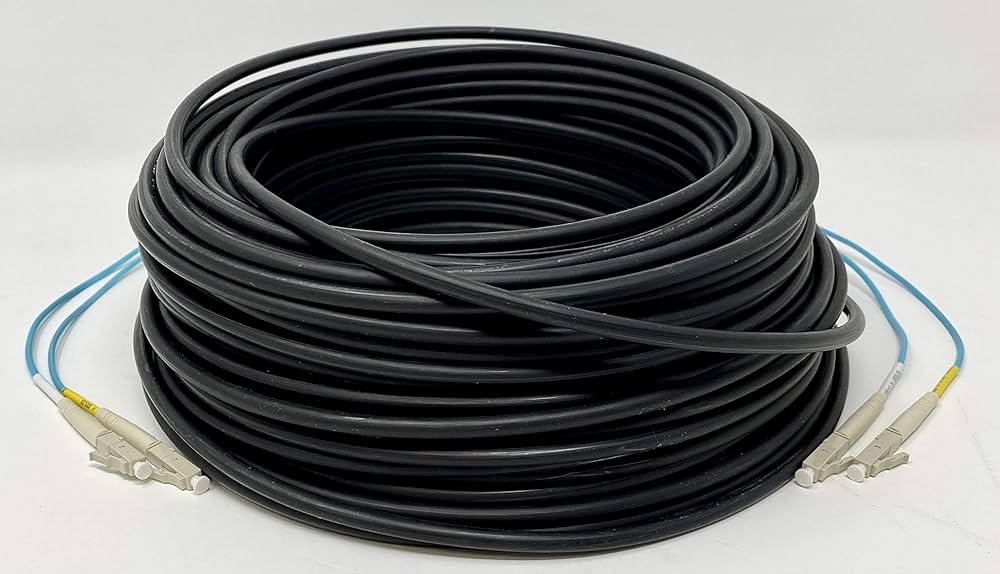
What Is a Direct Burial Fiber Optic Cable?
A direct burial fiber optic cable is a fiber cable designed to be buried underground without the need for additional conduit or protective piping. Unlike standard indoor fiber cables, these cables are engineered for harsh outdoor environments, offering waterproofing, rodent protection, UV resistance, and high tensile strength to ensure reliable data transmission over long distances.
Read more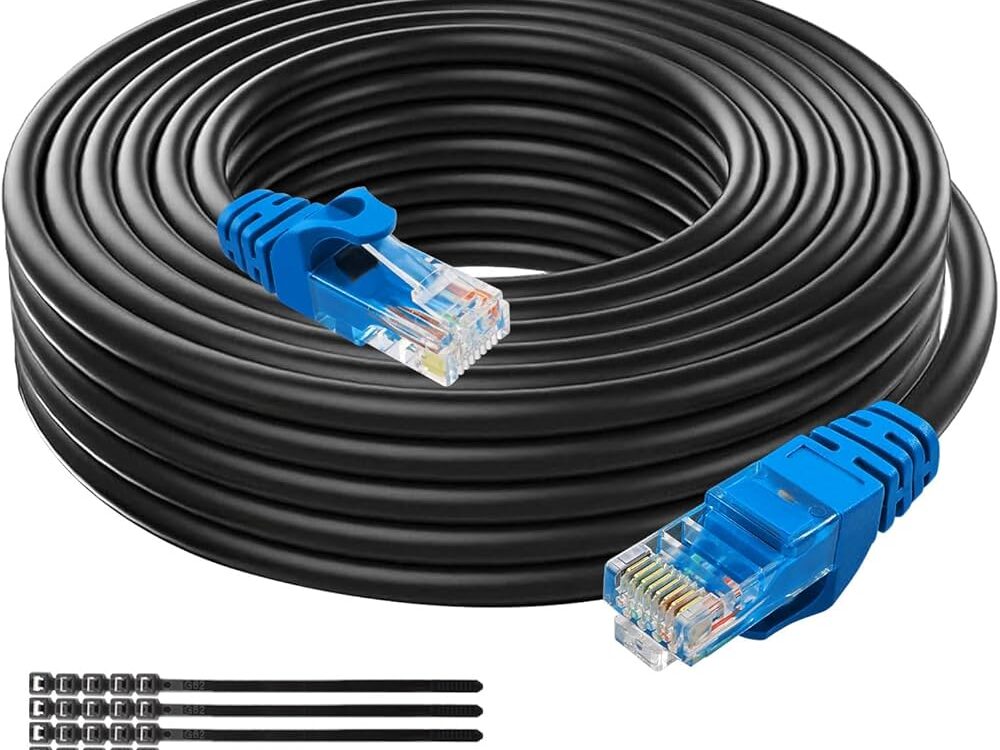
What Is a Direct Burial Ethernet Cable?
A direct burial Ethernet cable is a network cable specifically designed for outdoor installations where the cable will be buried underground without additional protective conduit. These cables are built with extra durability, water-blocking features, and UV resistance to ensure long-lasting performance in harsh conditions.
Read more
What Is a Cable Designed for Direct Burial?
A cable designed for direct burial is an electrical cable that can be installed underground without requiring additional conduit protection. These cables are built with extra durability to withstand harsh underground conditions such as moisture, soil pressure, and temperature variations. They are commonly used in residential, commercial, and industrial electrical installations where wires need to run beneath the ground for aesthetic, safety, or practical reasons.
Read more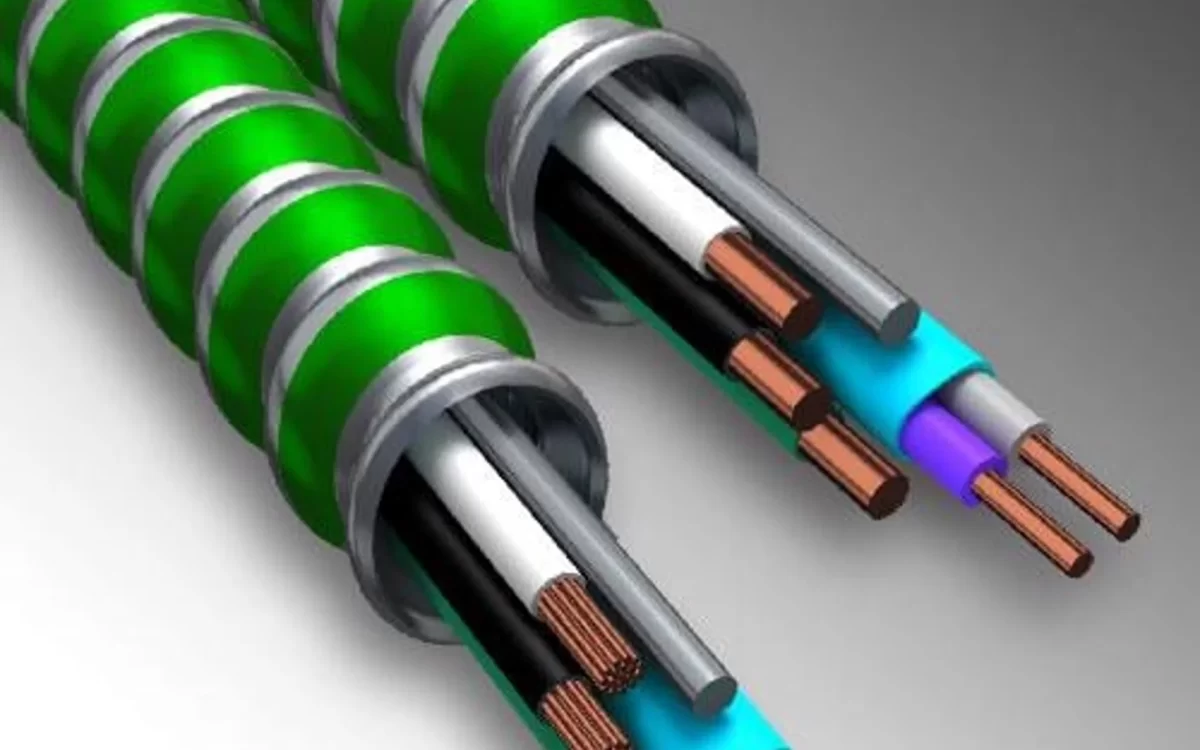
The Lifeline of Healthcare: Understanding HCF MC Cable and Its Critical Role
In the demanding environment of hospitals and healthcare facilities, reliable and safe electrical systems are not just a convenience – they are a matter of life and death. Every piece of diagnostic equipment, patient monitoring device, and life-support system relies on a clean, stable power supply. This is where HCF MC cable steps in as a specialized, indispensable solution.
Read more- Low Voltage Cables – LV
- Medium Voltage Cables – MV
- High Voltage Cables-HV
- Steel Wire Armored Cable (SWA Cable)
- XLPE Insulated Power Cables
- Mineral Insulated Cable (MICC/MI Cable)
- TPS Cable
- Control Cable
- Instrumentation Cable
- Coaxial Cable
- VFD Cable
- Computer Cable
- Electrical Wire
- MC Cable
- NM-B (Non-Metallic Sheathed) Copper Wire
- UF-B Underground Feeder Cable
- MTW Wire
- Prefabricated branch cables
- 4/0 Type W Cable
- Trunk Trailer ABS Cable
- SO Cable
- LSZH Cable
- Copper Ground Rods
- Copper Clad Steel Antenna Wire
- High Temperature Wire
- EV Automotive High Voltage Silicone Rubber Cable
- Submersible Pump Wire
- Floating cable
- LC to LC Fiber Patch Cables
- Flexible Cable
- Drag Chain Cables
- Silicone Rubber Low Temperature Resistant Cable
- All-Aluminum Conductors for Overhead Power Lines
- Aerial Bundled Cable (ABC Cable)
- Aerial Insulation Line (AIL)
- Bare Stranded Conductors
- Wind Farm Cables
- Overhead Service Drop Cable
- Concentric Service Cable
- Telephone Drop Cable
- Solar PV Cable
Recent Posts


