
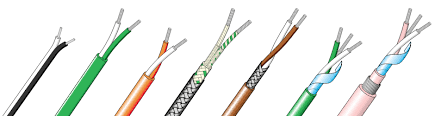
The Unseen Shield: Understanding types of insulation in cables
The ubiquitous electrical cable is often taken for granted, but its reliability hinges on a critical, often-unseen component: insulation. This protective layer is the unsung hero, ensuring power flows safely and efficiently while preventing short circuits, electrical fires, and protecting the cable itself from environmental and mechanical damage. Choosing the right type of cable insulation is paramount in any electrical application, from simple household wiring to complex industrial power grids.
Read more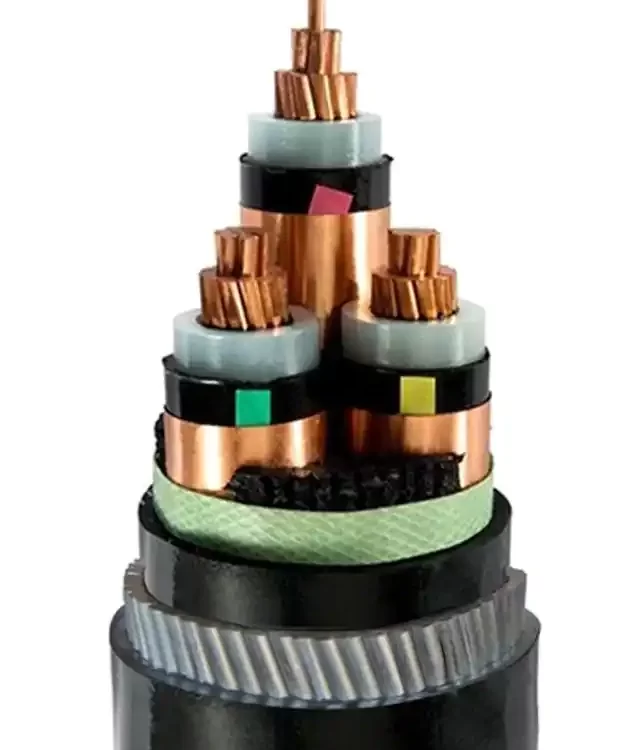
What Is Steel Wire Armoured Cable? A Complete Guide to SWA Cables
Steel Wire Armoured (SWA) cable is one of the most widely used forms of mechanical-protection power cable in industrial, commercial, and outdoor electrical installations. While “armoured cable” is a broad category, SWA cable specifically refers to power cables protected by layers of galvanized steel wires, offering exceptional strength, durability, and impact resistance.
Read more
AA-8000 Series Aluminum Wire: What It Is and Why It’s Used Today
The AA-8000 series aluminum wire is the modern, industry-standard aluminum conductor used in residential, commercial, and industrial electrical systems. It was developed to solve the safety issues associated with older aluminum wiring from the 1960s and 1970s. Today, AA-8000 aluminum conductors are UL-listed, NEC-approved, and widely used for feeders, service entrance cables, and large power distribution circuits.
Read more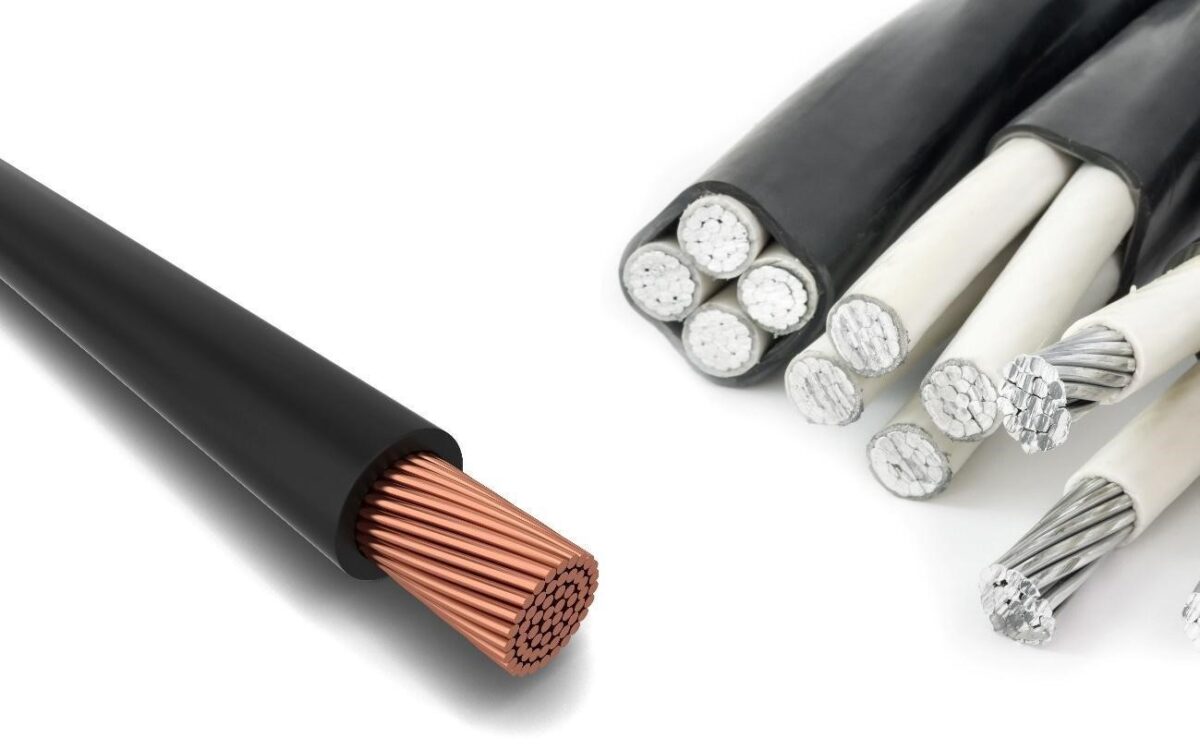
Copper vs Aluminum Wire: Is Copper Wire Better Than Aluminum? (Full Comparison Guide)
Yes, copper wire is generally considered better than aluminum wire for most electrical applications because it is: More conductive Stronger More durable More resistant to heat Less prone to connection failures However, aluminum wire is still widely used, especially in large power distribution systems, because it is lighter and more cost-effective.
Read more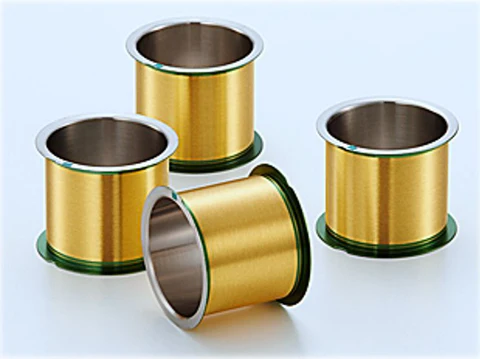
What Is Bonding Wire? A Complete Guide to Materials, Types, and Applications in Semiconductor Packaging
Bonding wire is one of the smallest components in the electronics industry—but it plays a massive role in enabling modern chips, smartphones, computers, power devices, and automotive electronics to function properly. If you’ve ever wondered What is bonding wire?, this guide explains everything you need to know, from definition to materials and applications.
Read more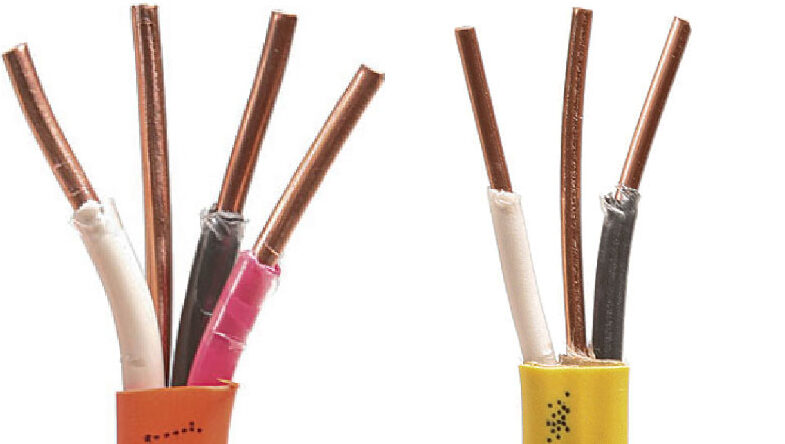
NM vs NMC Cable: What’s the Difference? (Complete Guide)
When choosing nonmetallic electrical cable for residential, agricultural, or light-commercial wiring, two common types appear: NM cable (such as NM-B) and NMC cable (Type NM-C). While they look similar, they are designed for very different installation environments.
Read more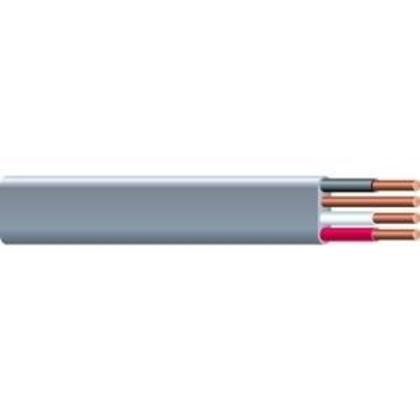
What Is NMC Cable? Complete Guide to NM-C Wire, Uses, and Differences From NM Cable
NMC wire, or nonmetallic sheathed cable, type NMC, is a type of electrical cable with a corrosion-resistant, moisture-resistant, flame-retardant, and fungus-resistant jacket that is suitable for use in both dry, damp, and wet locations. It is an upgrade from standard NM cable, which is restricted to dry locations. NMC is used for both exposed and concealed applications, but its specific usage in certain environments may have restrictions depending on local codes.
Read more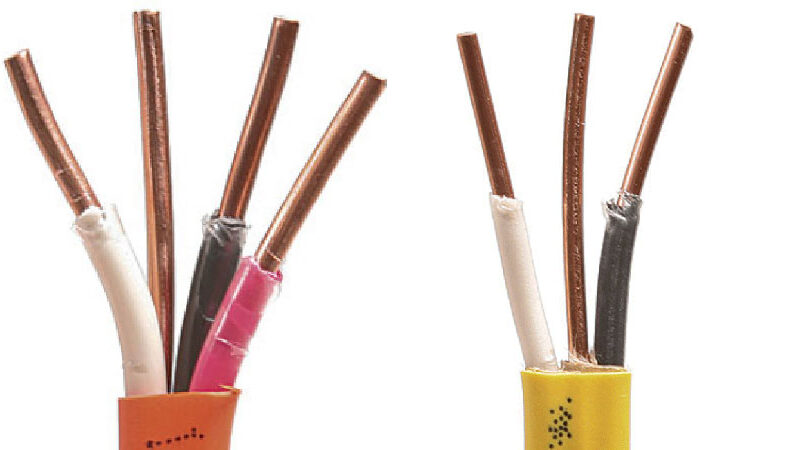
What Is Non-Metallic Wire and What Is It Used For?
If you’ve ever opened an outlet box or watched an electrician work inside a wall, you’ve probably seen a bundle of wires wrapped in a soft plastic jacket. That is non-metallic wire, also commonly known as NM cable or Romex®. It’s the most common type of wiring used in modern homes — but many homeowners aren’t sure what it actually does.
Read more
Single Core vs Multi Core Wire: Complete Comparison Guide
Single core wire contains one conductor inside the insulation, making it rigid and ideal for fixed installations like building wiring. Multi core wire bundles multiple insulated conductors together, offering flexibility for movable equipment and complex systems needing multiple circuits.
Read more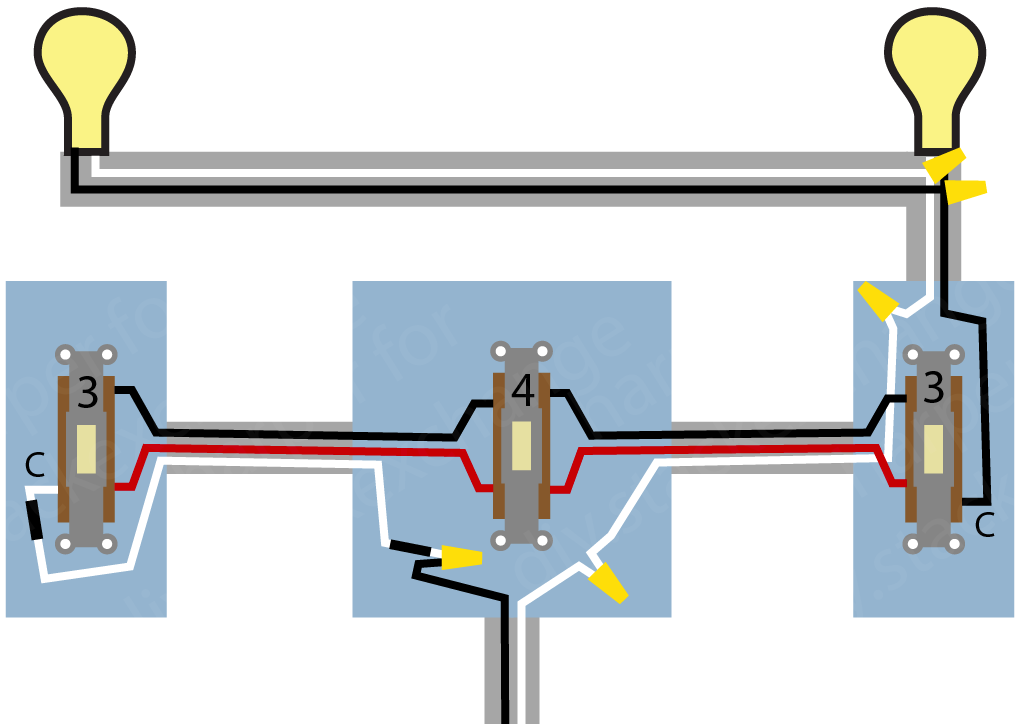
4-Way Switch Wiring: The Complete Guide (Diagrams, Step-by-Step, and Troubleshooting)
4-way switch wiring allows you to control one light or a group of lights from three or more different locations—commonly used in long hallways, large rooms with multiple entrances, and staircases.
Read more- Low Voltage Cables – LV
- Medium Voltage Cables – MV
- High Voltage Cables-HV
- Steel Wire Armored Cable (SWA Cable)
- XLPE Insulated Power Cables
- Mineral Insulated Cable (MICC/MI Cable)
- TPS Cable
- Control Cable
- Instrumentation Cable
- Coaxial Cable
- VFD Cable
- Computer Cable
- Electrical Wire
- MC Cable
- NM-B (Non-Metallic Sheathed) Copper Wire
- UF-B Underground Feeder Cable
- MTW Wire
- Prefabricated branch cables
- 4/0 Type W Cable
- Trunk Trailer ABS Cable
- SO Cable
- LSZH Cable
- Copper Ground Rods
- Copper Clad Steel Antenna Wire
- High Temperature Wire
- EV Automotive High Voltage Silicone Rubber Cable
- Submersible Pump Wire
- Floating cable
- LC to LC Fiber Patch Cables
- Flexible Cable
- Drag Chain Cables
- Silicone Rubber Low Temperature Resistant Cable
- All-Aluminum Conductors for Overhead Power Lines
- Aerial Bundled Cable (ABC Cable)
- Aerial Insulation Line (AIL)
- Bare Stranded Conductors
- Wind Farm Cables
- Overhead Service Drop Cable
- Concentric Service Cable
- Telephone Drop Cable
- Solar PV Cable
Recent Posts


