
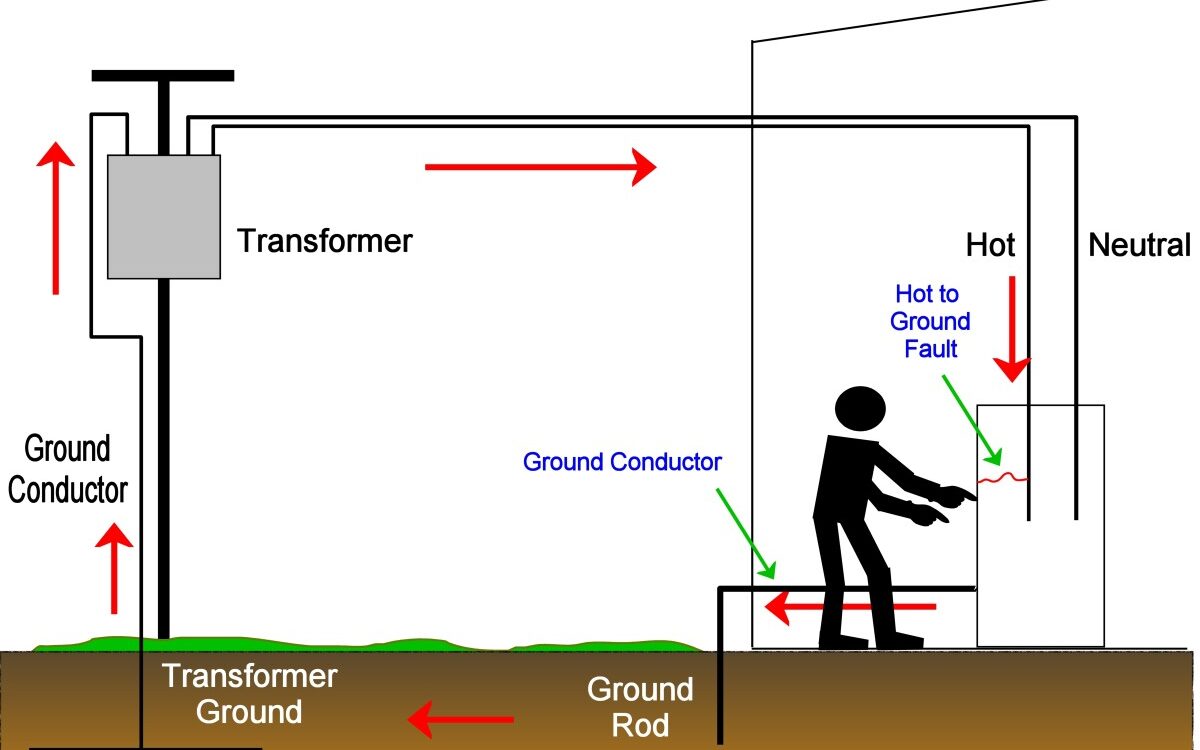
What Does a Ground Wire Do?
A ground wire, also known as a grounding conductor, is a vital safety feature in any electrical system. Its primary purpose is to provide a safe path for excess electrical current to flow into the earth (the "ground") during a fault, such as a short circuit, surge, or lightning strike.
Read more
What Is a Protective Conductor?
A protective conductor, often abbreviated as PE (Protective Earth), is a critical component in electrical systems. Its primary role is to safely carry fault current to ground in the event of an electrical fault — such as a live wire touching a metal casing — and thereby prevent electric shock or fire.
Read more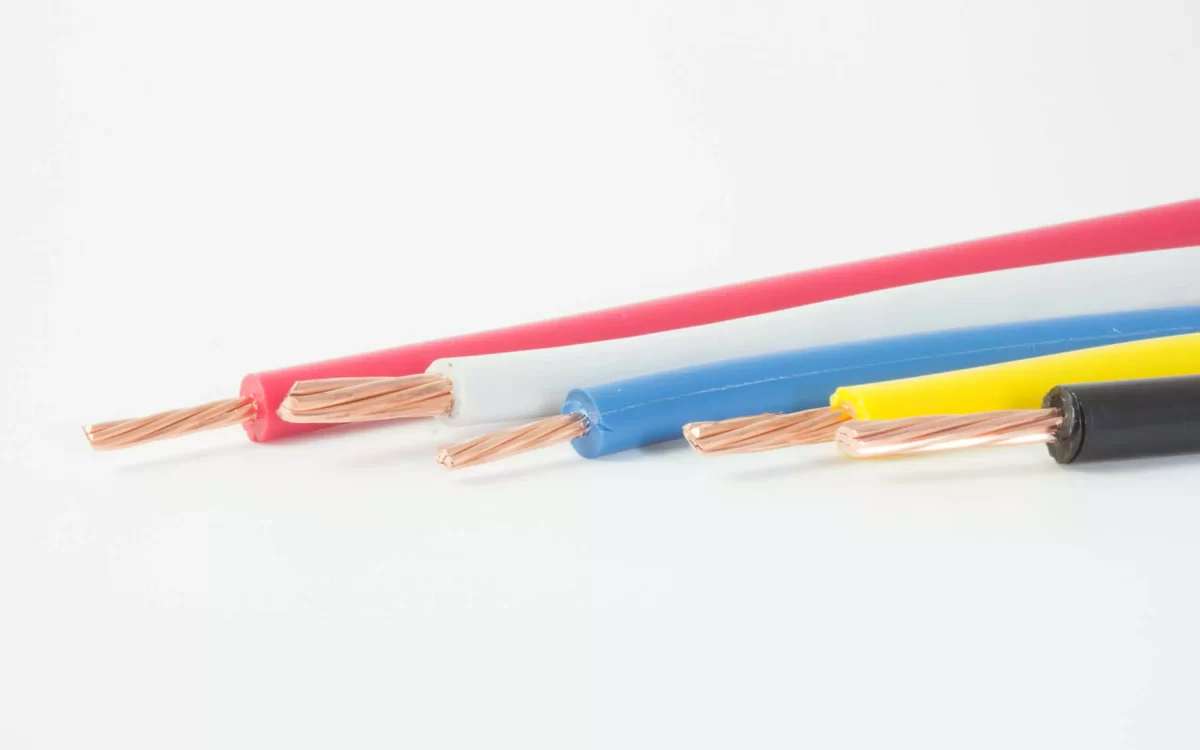
What Is CPC Cable or CPC Cord?
In electrical installations, CPC typically stands for Circuit Protective Conductor. This is the earth wire used to protect both people and electrical systems by providing a low-resistance path to ground in the event of a fault.
Read more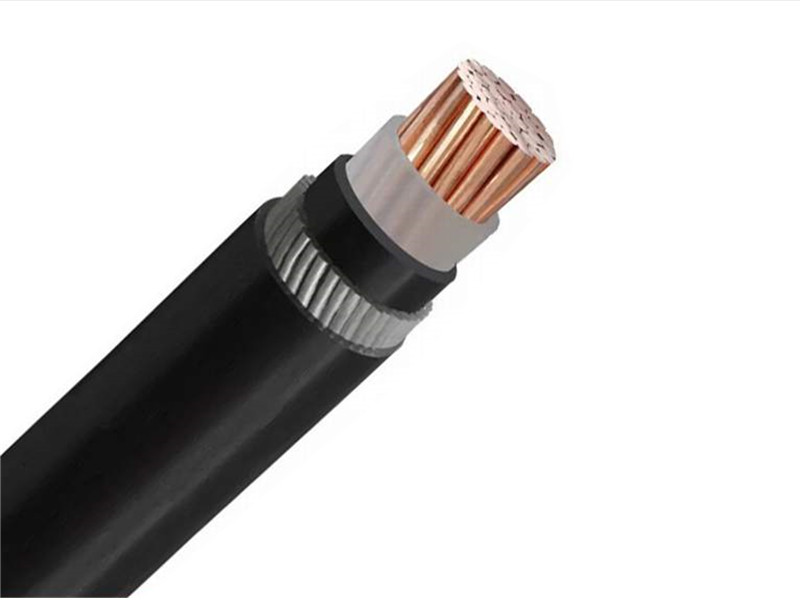
Aluminium Armoured Cable: Lightweight, Cost-Effective Power Solution
Aluminium Armoured Cable is a widely used type of power cable known for its lightweight structure, cost efficiency, and strong mechanical protection. It plays an important role in medium- to low-voltage power transmission, especially where cost, corrosion resistance, or ease of installation are major concerns.
Read more
Types of Armored Cable: A Complete Guide for Professionals and Buyers
Armored cables are essential in electrical installations that demand extra protection from mechanical damage, moisture, and environmental stress. Whether you're wiring a building, running underground power lines, or protecting circuits in industrial areas, selecting the right type of armored cable is critical for safety, performance, and compliance.
Read more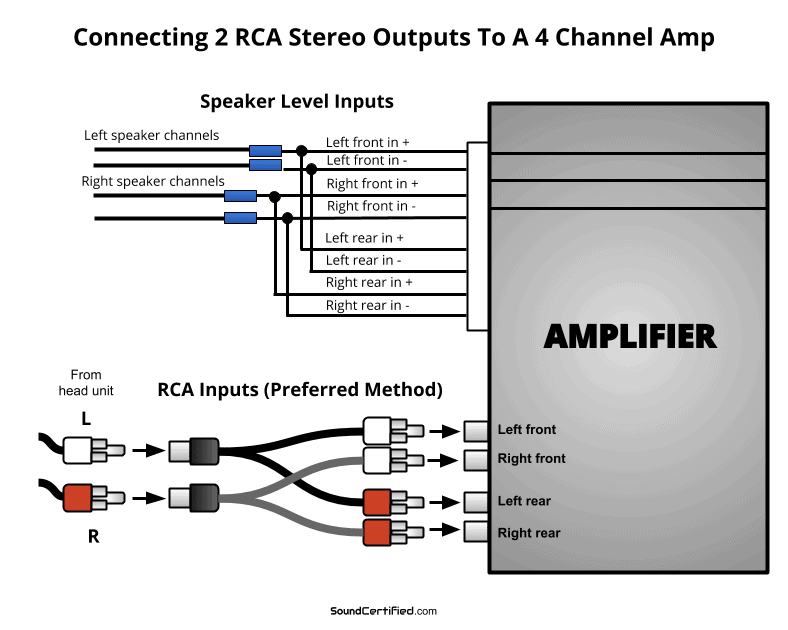
How to Connect RCA Cables to an Amplifier: A Beginner-Friendly Guide
Connecting RCA cables to an amplifier is a fundamental task in setting up any home theater or audio system. Whether you're wiring a turntable, receiver, or subwoofer, using the right RCA inputs ensures clean, balanced sound without distortion.
Read more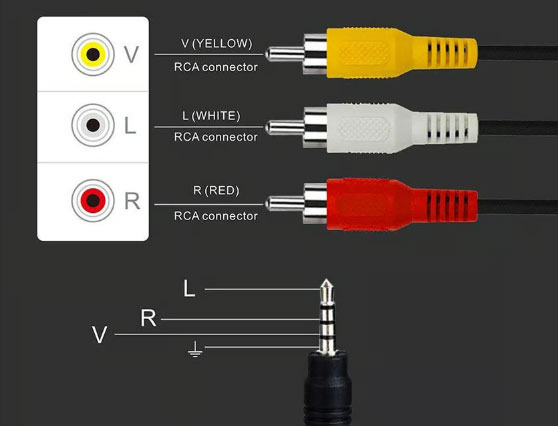
How to Connect RCA Cables: A Simple Guide for Audio and Video Setups
RCA cables have been a staple in home audio and video connections for decades. Whether you're hooking up a DVD player to a TV, connecting a turntable to a speaker system, or wiring a subwoofer, knowing how to connect RCA cables properly ensures optimal sound and picture quality.
Read more
Where to Connect Ground Wire If No Ground: Safe Solutions for Ungrounded Boxes
Grounding is an essential part of electrical safety—it protects you and your devices by giving stray electrical current a safe path to the earth. But what happens if you're replacing an outlet or light fixture and discover there's no ground wire in the box?
Read more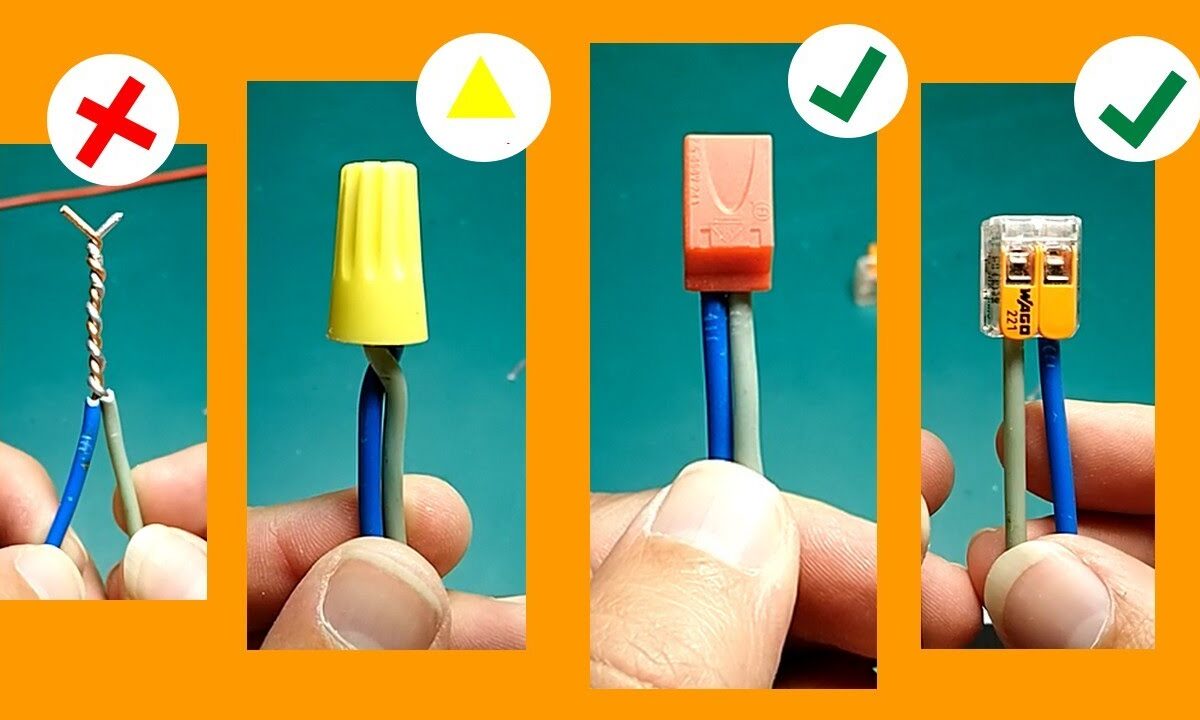
How to Connect Copper Wire to Aluminum: Safe and Code-Compliant Methods
Connecting copper wire to aluminum wire is not as simple as twisting them together. Due to chemical and physical differences between the two metals, improper connections can lead to corrosion, overheating, and even fire hazards. However, with the right materials and methods, you can make this connection safely and in compliance with electrical codes.
Read more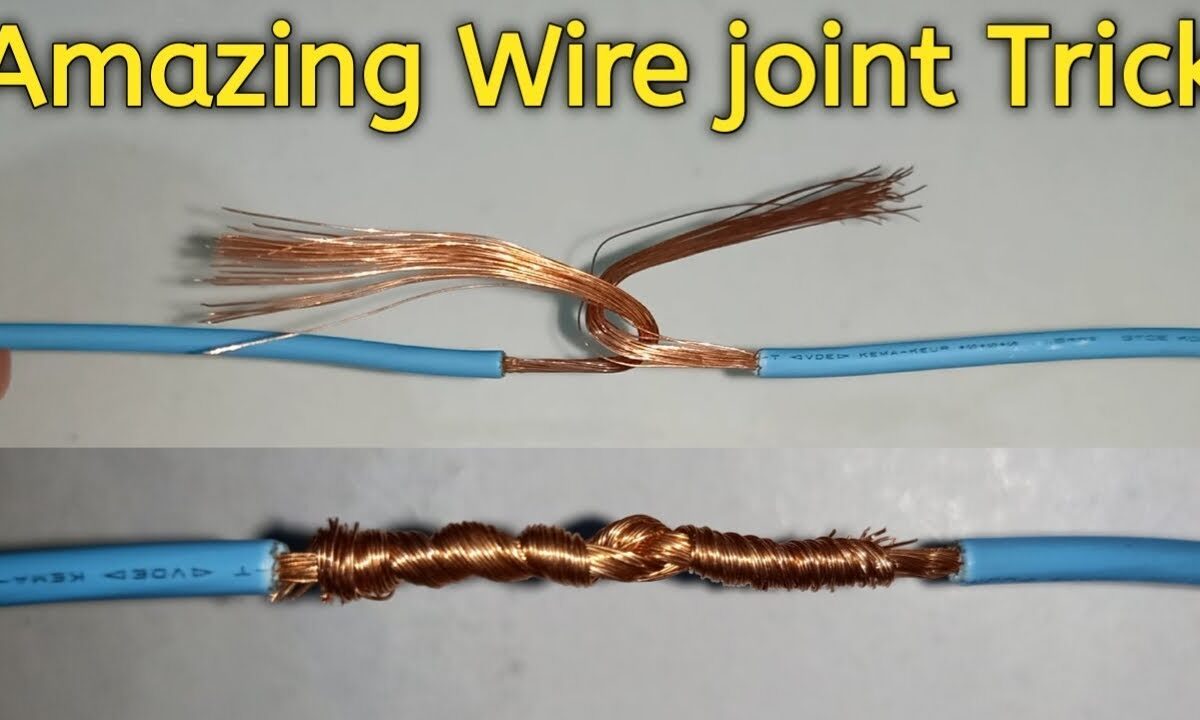
How to Connect Copper Wire: A Simple Step-by-Step Guide
Copper wire is the go-to material for most electrical connections because of its excellent conductivity and durability. Whether you're installing new wiring in your home, fixing a broken circuit, or working on a DIY electronics project, knowing how to properly connect copper wire is essential for both safety and performance.
Read more- Low Voltage Cables – LV
- Medium Voltage Cables – MV
- High Voltage Cables-HV
- Steel Wire Armored Cable (SWA Cable)
- XLPE Insulated Power Cables
- Mineral Insulated Cable (MICC/MI Cable)
- TPS Cable
- Control Cable
- Instrumentation Cable
- Coaxial Cable
- VFD Cable
- Computer Cable
- Electrical Wire
- MC Cable
- NM-B (Non-Metallic Sheathed) Copper Wire
- UF-B Underground Feeder Cable
- MTW Wire
- Prefabricated branch cables
- 4/0 Type W Cable
- Trunk Trailer ABS Cable
- SO Cable
- LSZH Cable
- Copper Ground Rods
- Copper Clad Steel Antenna Wire
- High Temperature Wire
- EV Automotive High Voltage Silicone Rubber Cable
- Submersible Pump Wire
- Floating cable
- LC to LC Fiber Patch Cables
- Flexible Cable
- Drag Chain Cables
- Silicone Rubber Low Temperature Resistant Cable
- All-Aluminum Conductors for Overhead Power Lines
- Aerial Bundled Cable (ABC Cable)
- Aerial Insulation Line (AIL)
- Bare Stranded Conductors
- Wind Farm Cables
- Overhead Service Drop Cable
- Concentric Service Cable
- Telephone Drop Cable
- Solar PV Cable
Recent Posts


