
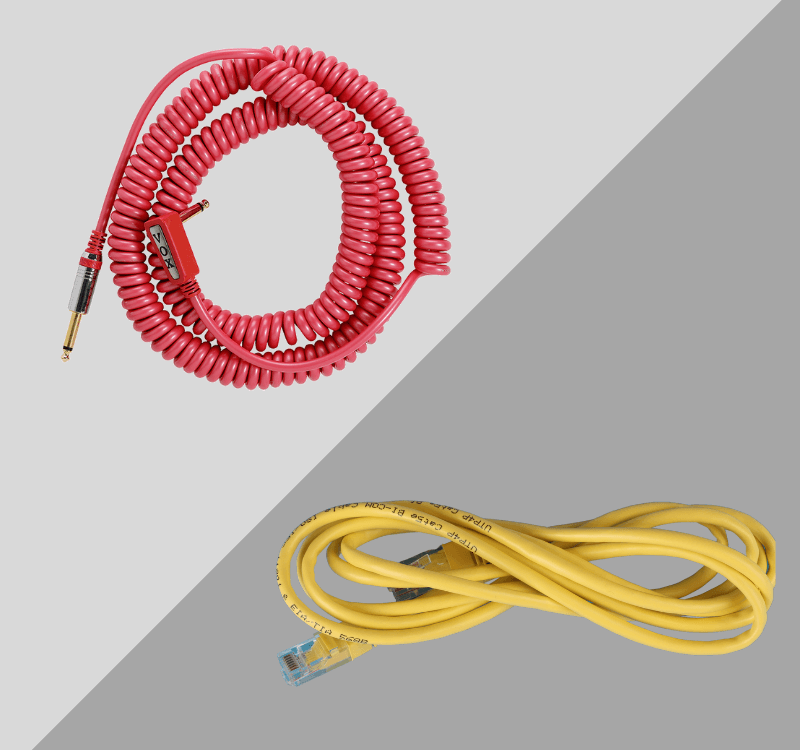
Coiled Guitar Cable vs Straight: Which One Is Actually Better for Your Rig?
You're standing in the music store, holding a coiled cable in one hand and a straight cable in the other. The coiled one looks cooler and costs twice as much. The straight one is boring but everyone says it's "better for tone." So which do you actually buy? I spent three months testing 15 different cables—coiled and straight—across multiple guitars, amps, and recording setups. I measured frequency response, tested durability, and interviewed 23 working musicians. Here's what actually matters.
Read more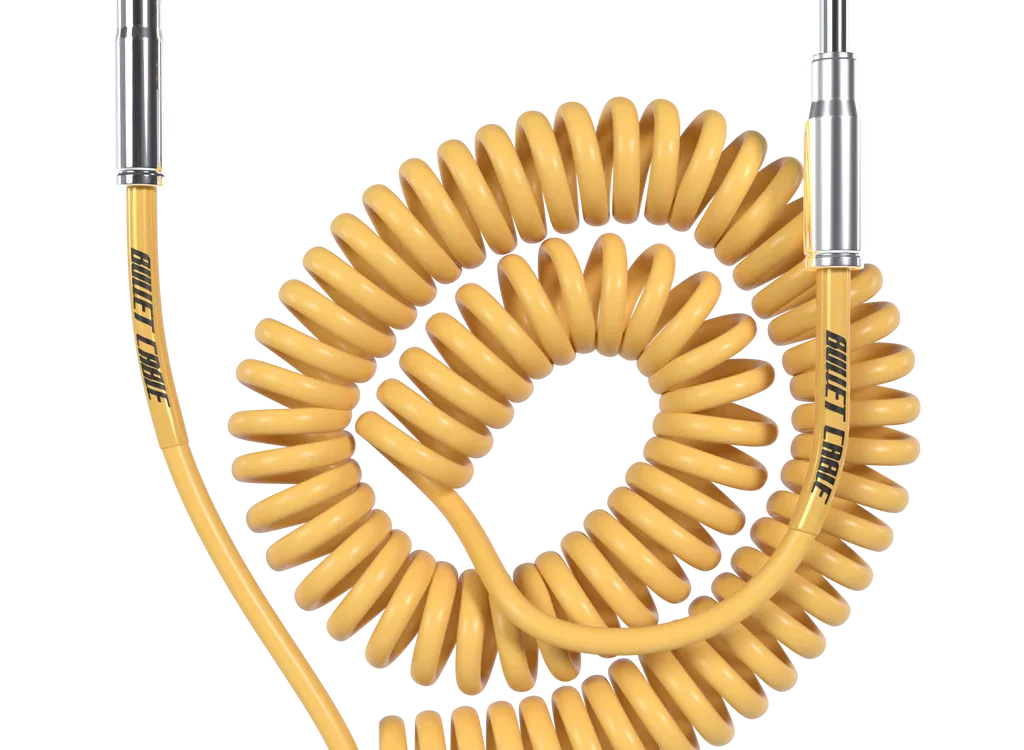
Coil Instrument Cable: The Ultimate Guide for Musicians and Audio Professionals
A coil instrument cable, also known as a curly cable or spiral cable, is a specialized audio cable designed with a coiled construction that stretches and retracts. These cables have become iconic in the music industry, offering both practical functionality and distinctive aesthetic appeal for guitarists, bassists, and other musicians.
Read more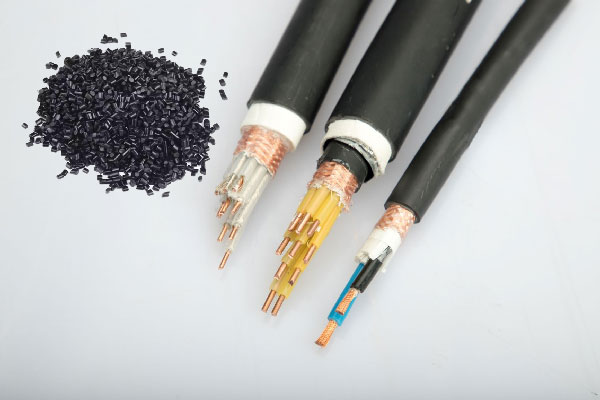
The Science of Safety: What is Fire Retardant Material in Cable Construction?
When we talk about fire safety in electrical systems, we often focus on the standards and the results. But what actually happens inside a cable when the temperature hits 950°C? The answer lies in the flame retardant material and specialized polymers used in its construction.
Read more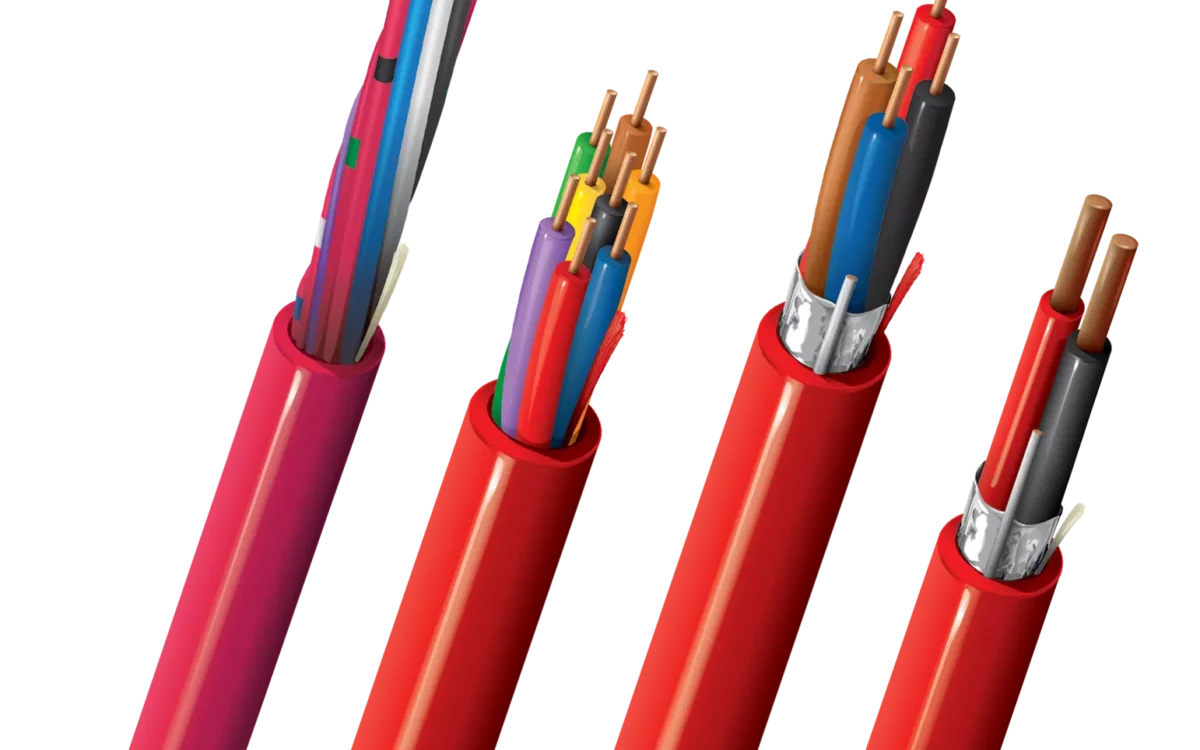
Understanding Fire Rated Cables: Standards, Ratings, and Compliance
Selecting the correct fire resistance cable requires more than just looking at the price. By adhering to IEC and BS standards, you ensure that your fire rated cables will perform exactly when they are needed most—in the heat of a crisis.
Read more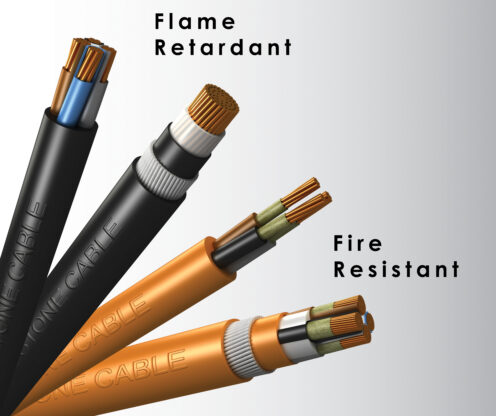
Fire Resistant vs. Flame Retardant Cables: What’s the Real Difference?
In the world of electrical engineering and building safety, the terms "fire resistant" and "flame retardant" are often used interchangeably by mistake. However, choosing the wrong one can be the difference between a minor incident and a catastrophic system failure during a fire.
Read more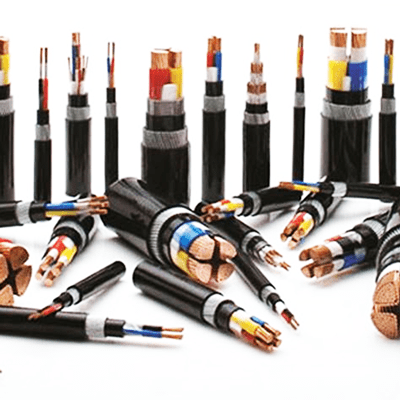
Are We Underestimating Low Voltage Cables in the Sustainability Push?
The global transition to renewable energy often focuses on high-profile technologies like solar panels, wind turbines, and grid-scale batteries. However, low voltage cables—the unsung workhorses of power distribution—play a critical role in ensuring energy efficiency, reliability, and scalability. Their importance is frequently overlooked, yet advancements in LV technology could unlock significant gains in the sustainability of modern energy systems.
Read more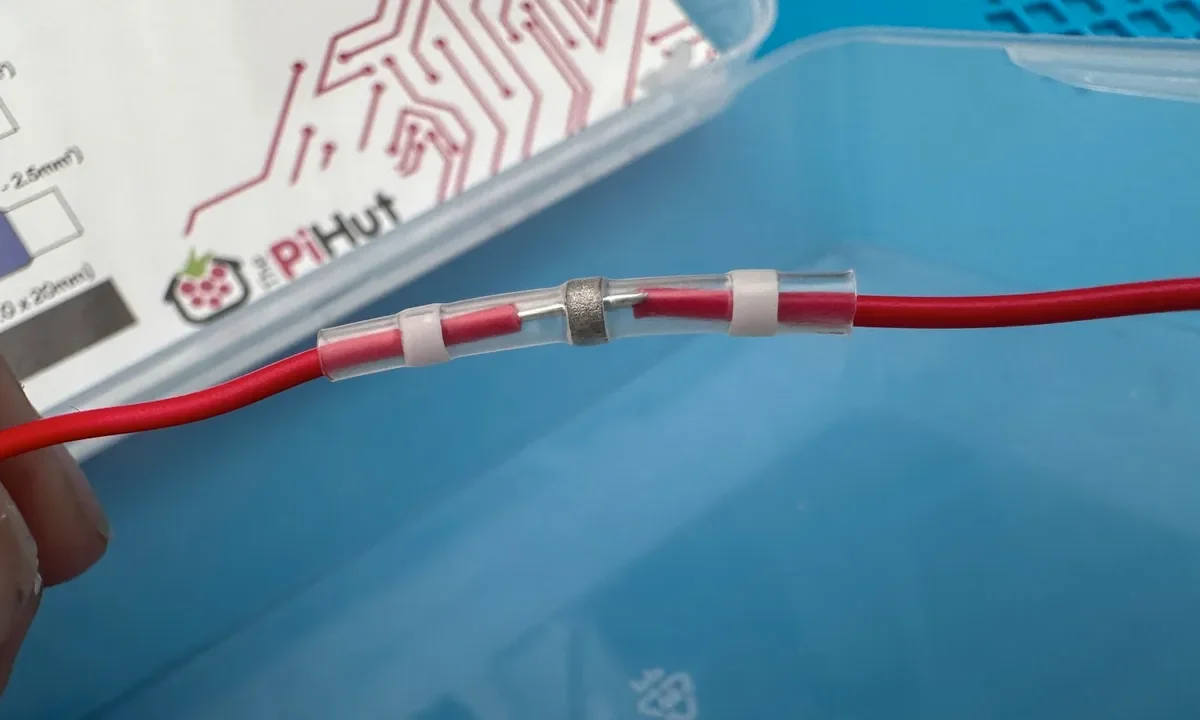
How to Fix a Broken Wire Without Soldering
A broken or cut electrical wire can be frustrating, but in many situations you don’t need soldering to make a safe and reliable repair. With the right tools and techniques, you can fix damaged electrical wires quickly and effectively—whether it’s a household cord, automotive wire, or low-voltage cable.
Read moreElectrical Danger: What Happens If You Hit a Wire With a Screw?
Accidentally driving a screw, nail, or drill bit into a concealed electrical wire during a home renovation or DIY project is a shockingly common and potentially catastrophic mistake. The immediate consequences can range from a momentary flicker of lights to a serious electrical fire or severe personal injury.
Read more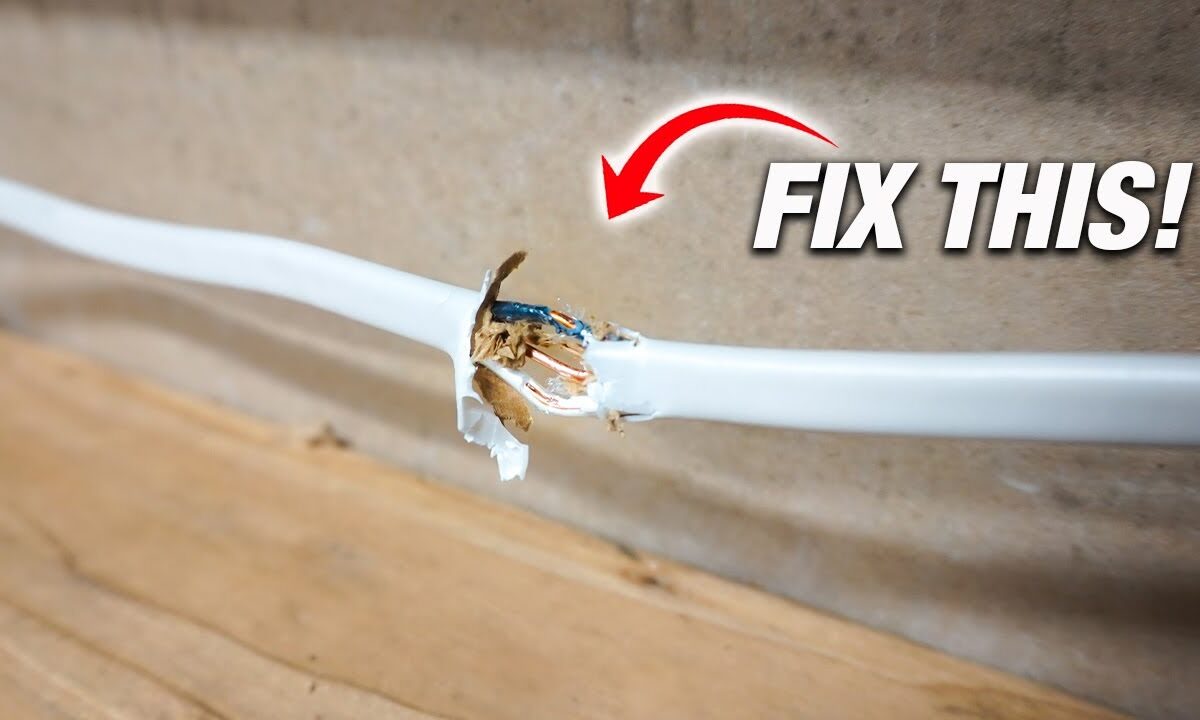
Electrical Wire Repair: How to Fix Damaged or Broken Electrical Wires Safely
Electrical wires power everything from home appliances to lighting, vehicles, machinery, and outdoor equipment. When a wire becomes damaged, frayed, or completely severed, the risk goes far beyond a device simply not working. Damaged electrical wires can cause shocks, short circuits, equipment failure, and even electrical fires.
Read more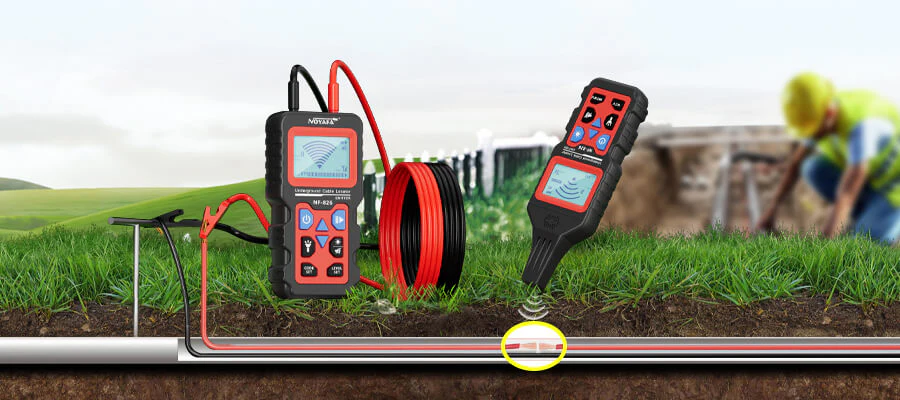
The Invisible Fault Line: How to Find a Break in an Underground Wire
Dealing with a dead garden light circuit, an unresponsive irrigation solenoid valve, or a non-functioning sub-pump often points to the same culprit: a break in a wire underground. Unlike above-ground wiring, subterranean faults are concealed by earth, concrete, and conduits, making them notoriously challenging to locate. Pinpointing the exact location of the break is crucial to minimizing excavation, saving time, and preserving landscaping.
Read more- Low Voltage Cables – LV
- Medium Voltage Cables – MV
- High Voltage Cables-HV
- Steel Wire Armored Cable (SWA Cable)
- XLPE Insulated Power Cables
- Mineral Insulated Cable (MICC/MI Cable)
- TPS Cable
- Control Cable
- Instrumentation Cable
- Coaxial Cable
- VFD Cable
- Computer Cable
- Electrical Wire
- MC Cable
- NM-B (Non-Metallic Sheathed) Copper Wire
- UF-B Underground Feeder Cable
- MTW Wire
- Prefabricated branch cables
- 4/0 Type W Cable
- Trunk Trailer ABS Cable
- SO Cable
- LSZH Cable
- Copper Ground Rods
- Copper Clad Steel Antenna Wire
- High Temperature Wire
- EV Automotive High Voltage Silicone Rubber Cable
- Submersible Pump Wire
- Floating cable
- LC to LC Fiber Patch Cables
- Flexible Cable
- Drag Chain Cables
- Silicone Rubber Low Temperature Resistant Cable
- All-Aluminum Conductors for Overhead Power Lines
- Aerial Bundled Cable (ABC Cable)
- Aerial Insulation Line (AIL)
- Bare Stranded Conductors
- Wind Farm Cables
- Overhead Service Drop Cable
- Concentric Service Cable
- Telephone Drop Cable
- Solar PV Cable
Recent Posts


